
Commemoration DAY of
THE 318 Holy Fathers of
the Council of Nicaea
The First Ecumenical Council of Nicaea was convened on May 20, 325, in the city of Nicaea in Bithynia, by order of the Byzantine Emperor Constantine the Great (306–337). The Council was attended by 318 Fathers of the Universal Church, including Alexander, Patriarch of Alexandria; Athanasius of Alexandria, who at the time was still a deacon; Aristakes, the younger son of St. Gregory the Illuminator; and other distinguished bishops of the Church.
The reason for convening the First Ecumenical Council was to examine and condemn the heretical teaching of Arius, a priest of Alexandria. Arius taught that Christ was not without beginning, but had been created before time by the will of God the Father so that creation might be accomplished through Him. According to Arius, God the Father alone was unbegotten, eternal, and without beginning. There was one and only one God: God the Father. Everything else that exists was, by its nature, distinct from God and possessed a separate essence of its own.
Arius taught that the Son came into being not from the essence of the Father, but out of nothing; that there was a time when the Son did not exist. Although the Son had received the fullness of grace from God the Father and had been adopted as Son, He was not immutable as the Father is, but was subject to change like created beings. Arius denied the equality of Jesus with God the Father and did not accept the divinity of Jesus. In other words, according to Arius, the Son had not always existed but had come into existence and was therefore a created being. For him, Jesus was simply a superhuman creature.
Alexander, Archbishop of Alexandria, opposed this teaching of Arius. In his sermons he emphasized:
“God is eternal, and the Son is eternal. The Father and the Son exist together. The Son is eternally of one essence with God, an eternal generation, begotten of the Unbegotten. The Father does not precede the Son even by a single moment. The Father has always existed, and so has the Son. The Son is of the same essence.”
At the Ecumenical Council of Nicaea, the erroneous and heretical movement of Arius was rejected, his doctrine was condemned, and a Creed containing the fundamental principles of the orthodox faith was adopted—the Nicene Creed.
As the foundation of the faith, this Creed has continued to be used without interruption in the Armenian Church to the present day. It is recited during the Divine Liturgy immediately after the reading of the Gospel. The articles contained in the Creed constitute, for every Christian, the fundamental formulations of Christian faith and doctrine.
The Creed contains the Christian faith and confession concerning God, the Son, the Holy Spirit, the Church, Baptism, sin, the resurrection of the dead, eternal life, the Last Judgment, the Kingdom of Heaven, and the immortality of souls.
We Christians believe in and confess one God, who created heaven and earth and all things visible and invisible. We believe in one Son, who was begotten from the essence of the Father and is true God; He is begotten and not created. We believe in one Holy Spirit, who is uncreated and unbegotten, and who inspired and spoke through the prophets and the Law. We believe in one Church—universal, apostolic, and holy. We believe in one Baptism, repentance, the forgiveness of sins, the resurrection of the dead, the Last Judgment, the Kingdom of Heaven, and eternal life.
At the Council of Nicaea, in opposition to the erroneous teaching of Arius, the true doctrine concerning the Son was affirmed and formulated as follows:
“We believe in the Lord Jesus Christ, the Son of God, begotten of God the Father, Only-Begotten, that is, of the essence of the Father. God of God, Light of Light, true God of true God, begotten and not created; of the very nature of the Father, through whom all things in heaven and on earth, visible and invisible, came into being.
He, for us human beings and for our salvation, came down from heaven, took flesh, became man, and was perfectly born through the Holy Spirit of the Holy Virgin Mary.
Through her He truly took body, soul, and mind, and everything that belongs to human nature, truly and not in appearance.”
The Council also adopted twenty canons of an administrative nature. These concerned such matters as heretics who had returned to the Church and their relationship with the Church, ordinations and questions relating to the hierarchical ranks of the Church, bribery and usury, the practice of praying while standing rather than kneeling on Sundays, and other matters.
The First Ecumenical Council of Nicaea was of fundamental importance not only in the history of the Universal Church but also in the history of humanity. It was not merely the first of the Ecumenical Councils but also the most important—the Council of Councils—which marked out the path for the subsequent development of theological and philosophical thought. No other event had such significance and influence upon the formation of theological thought. The debates surrounding the First Ecumenical Council of Nicaea continued throughout the fourth century.
On the commemoration of the Council of Nicaea, as on the commemorations of the other two Ecumenical Councils, hymns dedicated to the Fathers are sung in the Church, praising them as those who established and confirmed the foundations of the faith.
The Armenian Church celebrates the commemoration of the 318 Holy Fathers of the First Ecumenical Council of Nicaea on the Saturday preceding the fourth Sunday after the Feast of the Assumption, in the month of September.
SCRIPTURE READINGS
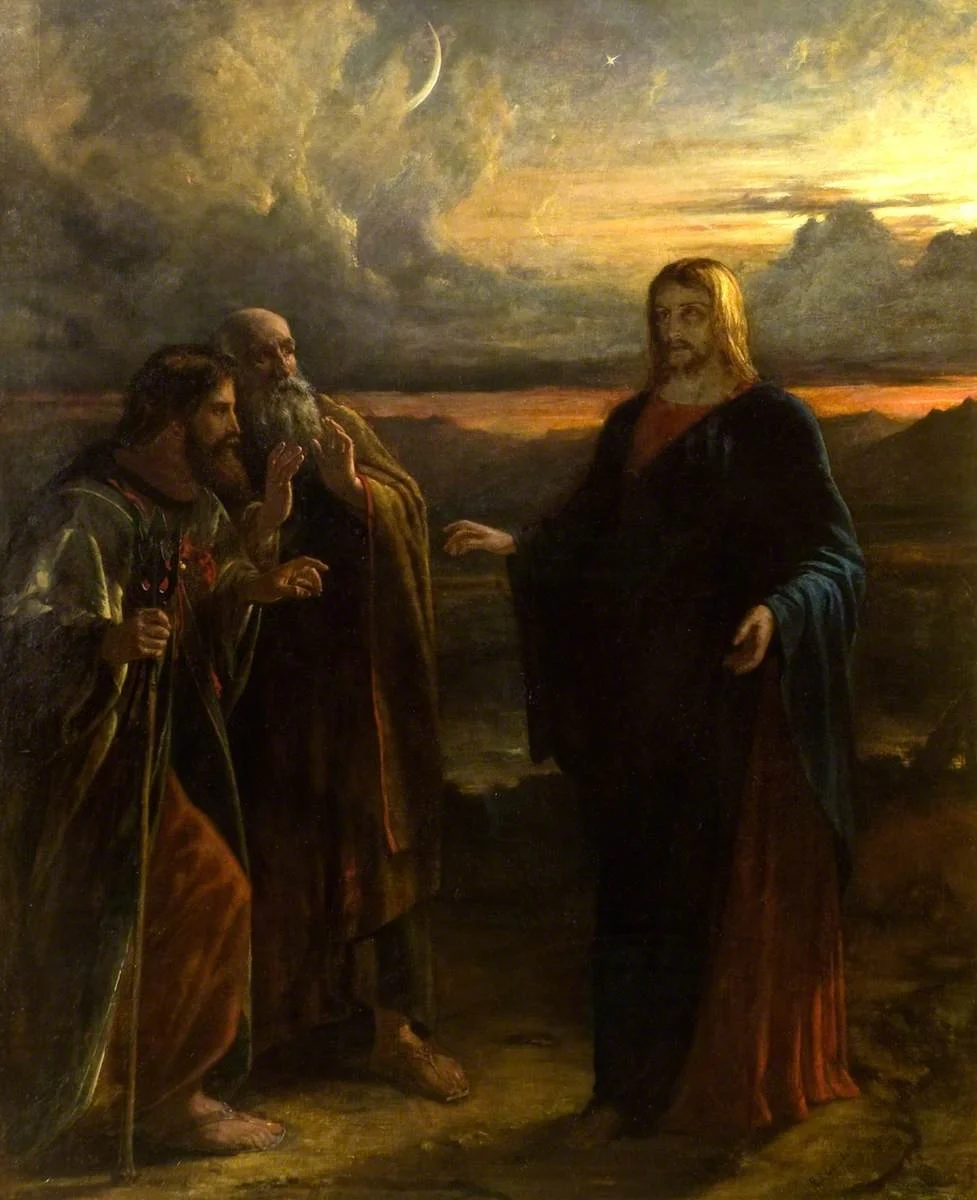
~ Ezekiel 44:23-24 ~
They shall teach my people the difference between the holy and the common, and show them how to distinguish between the unclean and the clean. In a controversy they shall act as judges, and they shall decide it according to my judgments. They shall keep my laws and my statutes regarding all my appointed festivals, and they shall keep my sabbaths holy.
~ Hebrews 12:1-7 ~
Therefore, since we are surrounded by so great a cloud of witnesses, let us also lay aside every weight and the sin that clings so closely, and let us run with perseverance the race that is set before us, looking to Jesus the pioneer and perfecter of our faith, who for the sake of the joy that was set before him endured the cross, disregarding its shame, and has taken his seat at the right hand of the throne of God. Consider him who endured such hostility against himself from sinners, so that you may not grow weary or lose heart. In your struggle against sin you have not yet resisted to the point of shedding your blood. And you have forgotten the exhortation that addresses you as children— "My child, do not regard lightly the discipline of the Lord, or lose heart when you are punished by him; for the Lord disciplines those whom he loves, and chastises every child whom he accepts." Endure trials for the sake of discipline. God is treating you as children; for what child is there whom a parent does not discipline?
~ Holy Gospel of St. John 14:25-30 ~
But the Advocate, the Holy Spirit, whom the Father will send in my name, will teach you everything, and remind you of all that I have said to you. Peace I leave with you; my peace I give to you. I do not give to you as the world gives. Do not let your hearts be troubled, and do not let them be afraid. You heard me say to you, "I am going away, and I am coming to you.' If you loved me, you would rejoice that I am going to the Father, because the Father is greater than I. And now I have told you this before it occurs, so that when it does occur, you may believe. I will no longer talk much with you, for the ruler of this world is coming. He has no power over me; but I do as the Father has commanded me, so that the world may know that I love the Father. Rise, let us be on our way.