SUNDAY SCHOOL
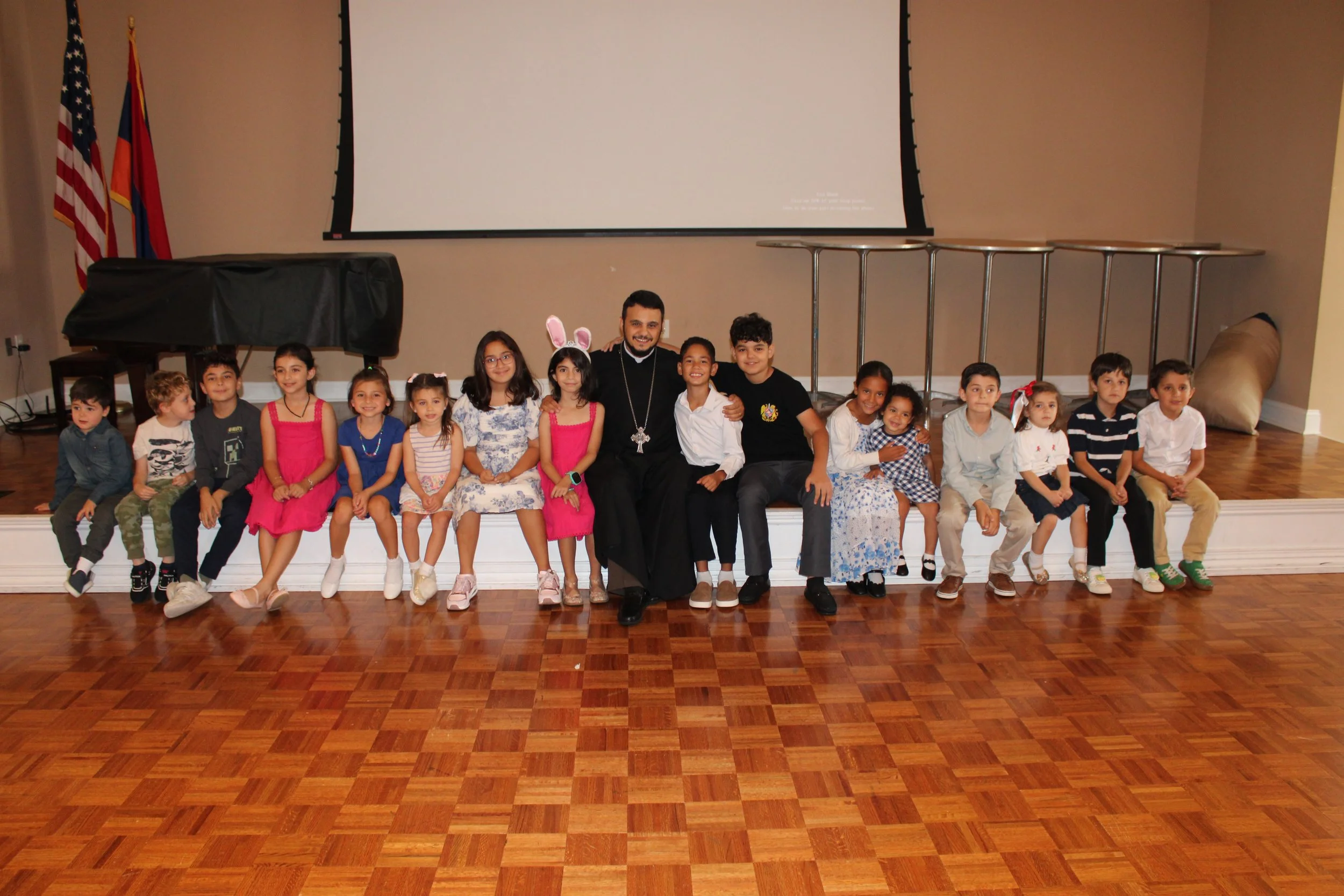
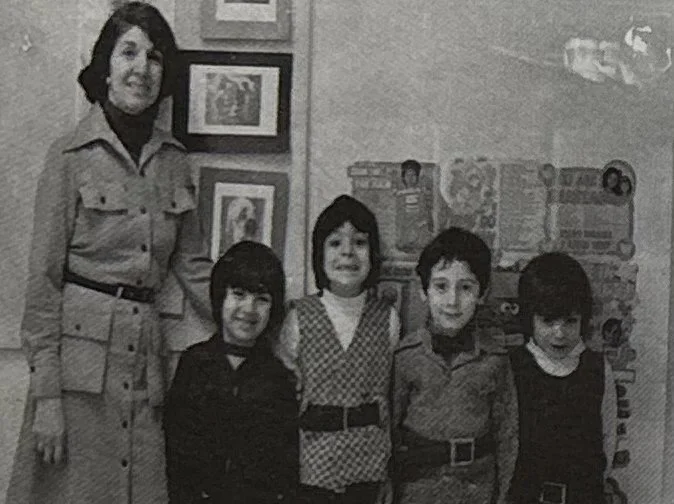
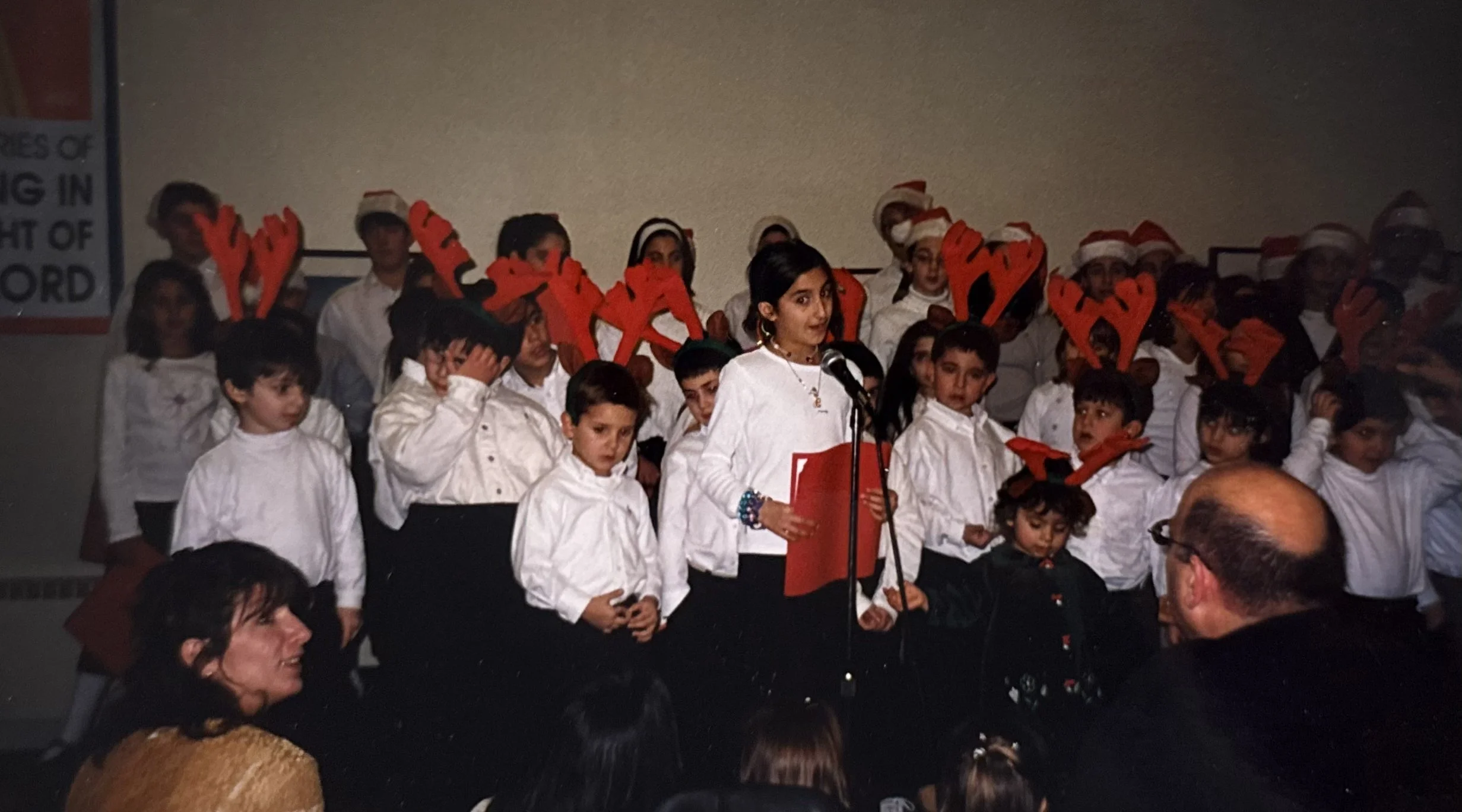
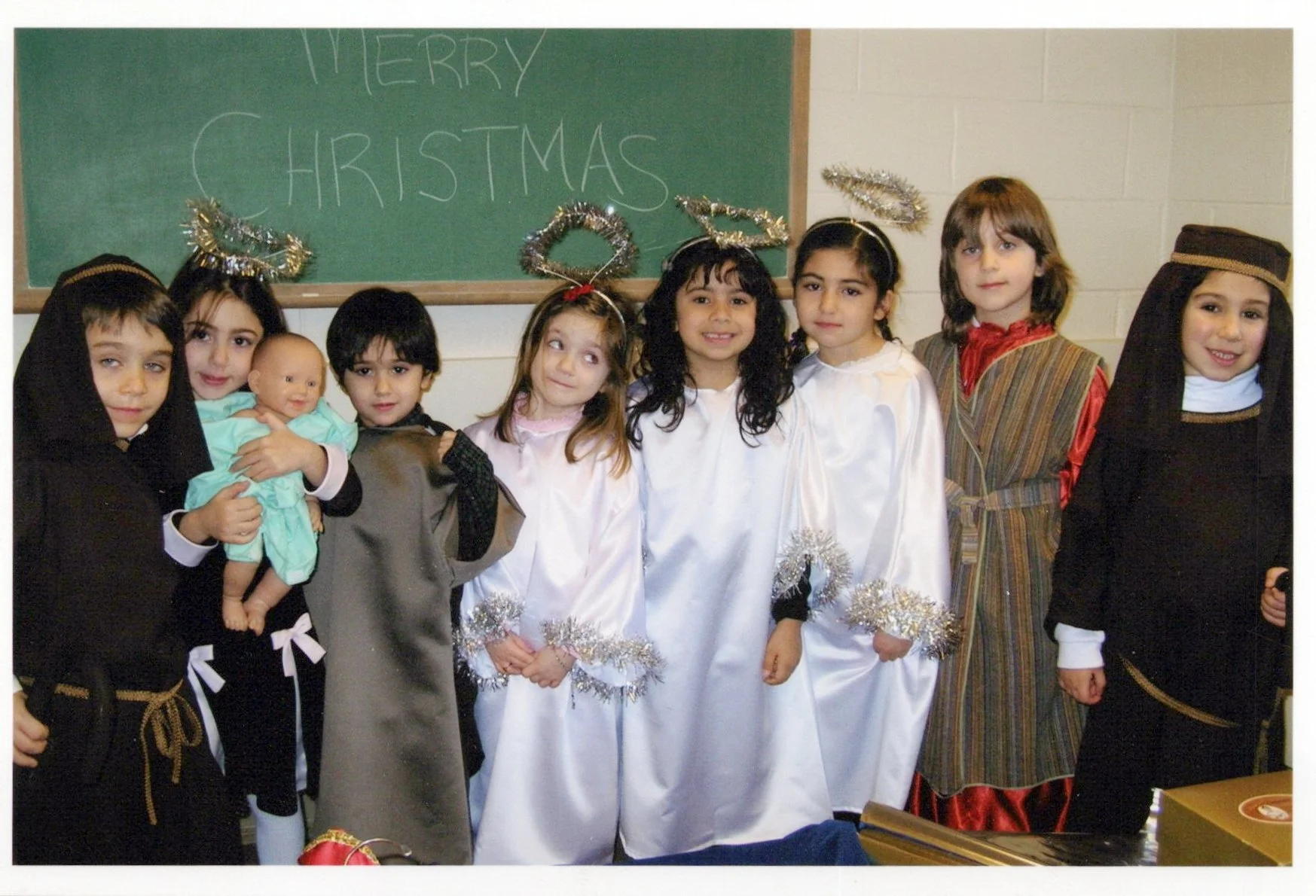
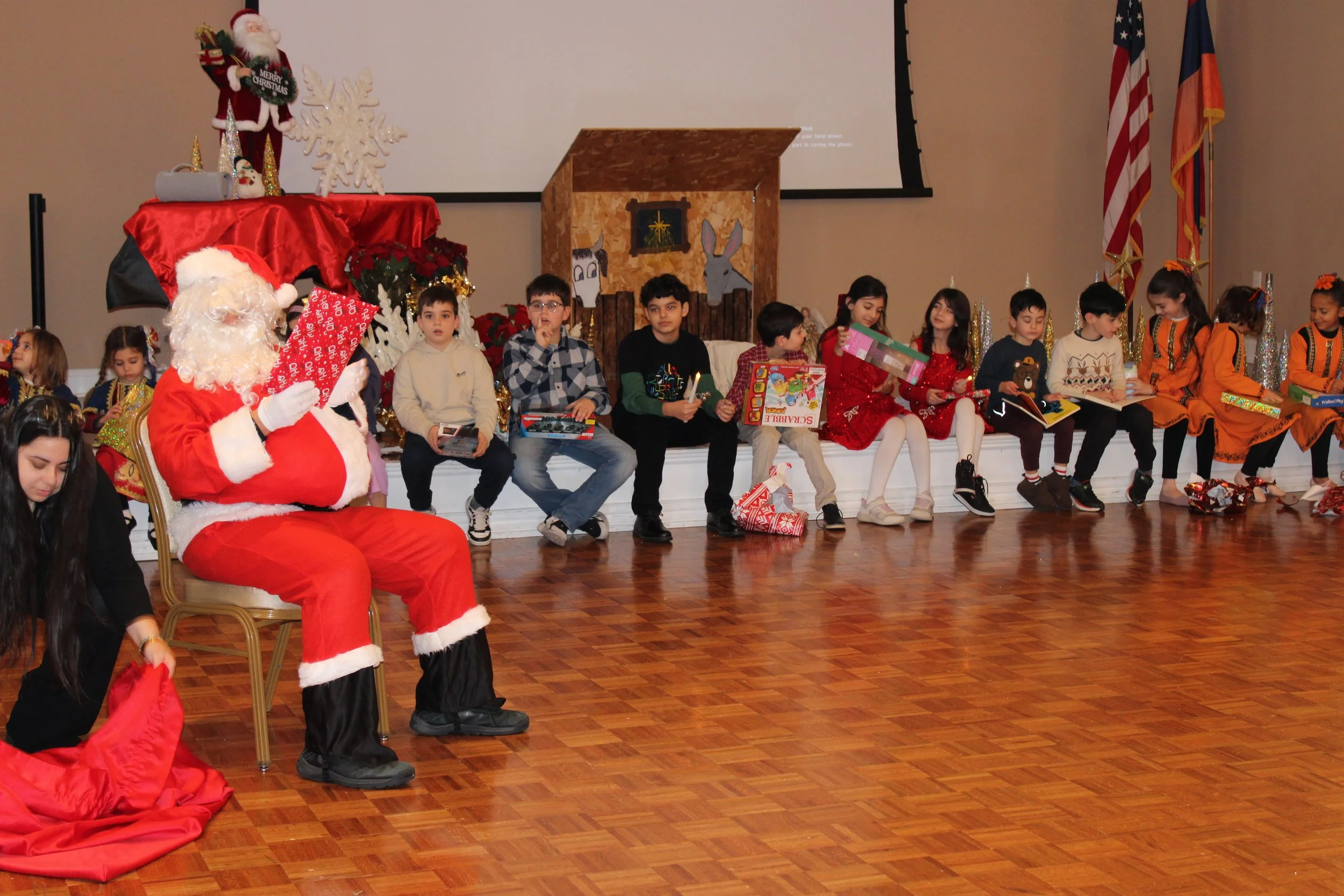
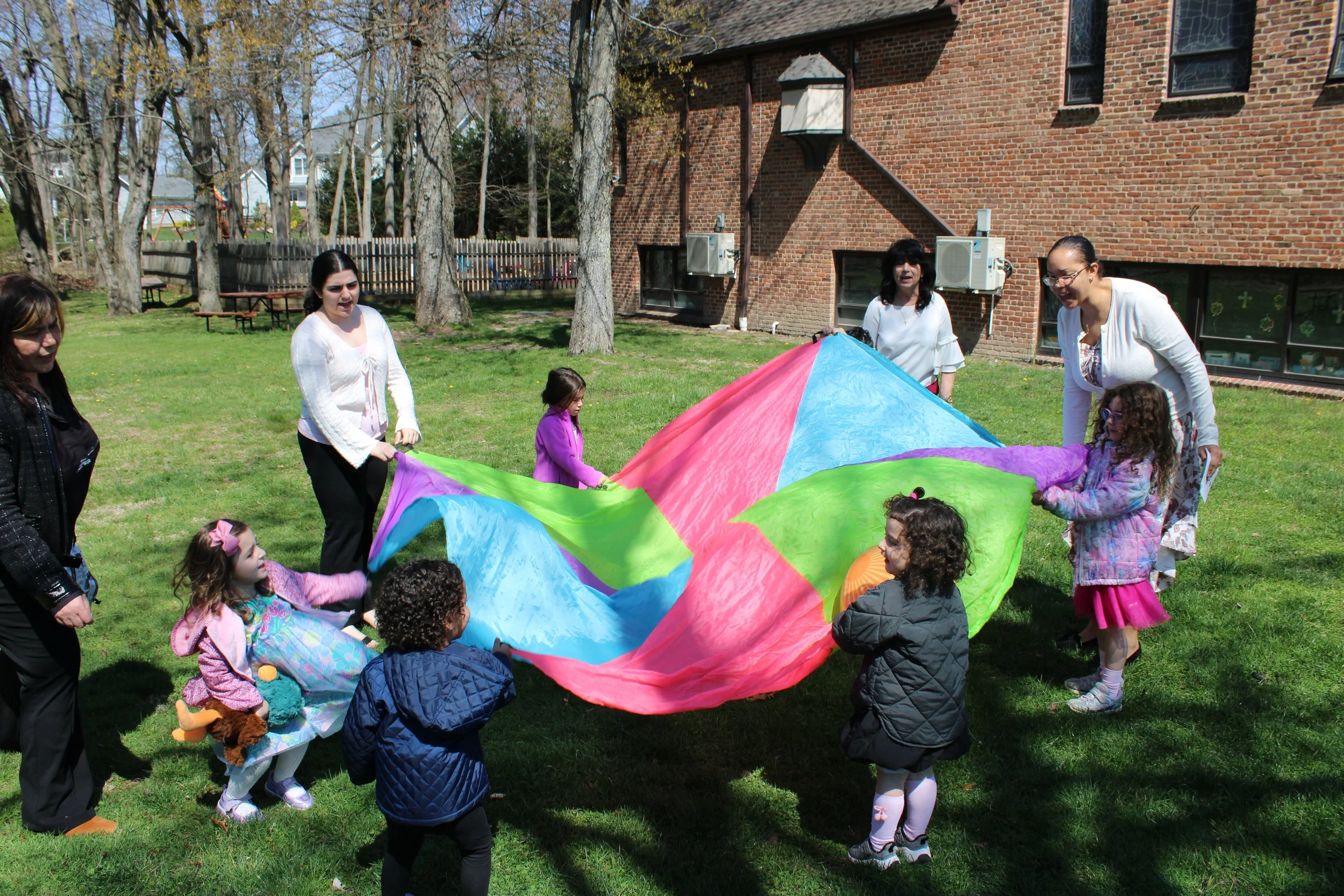
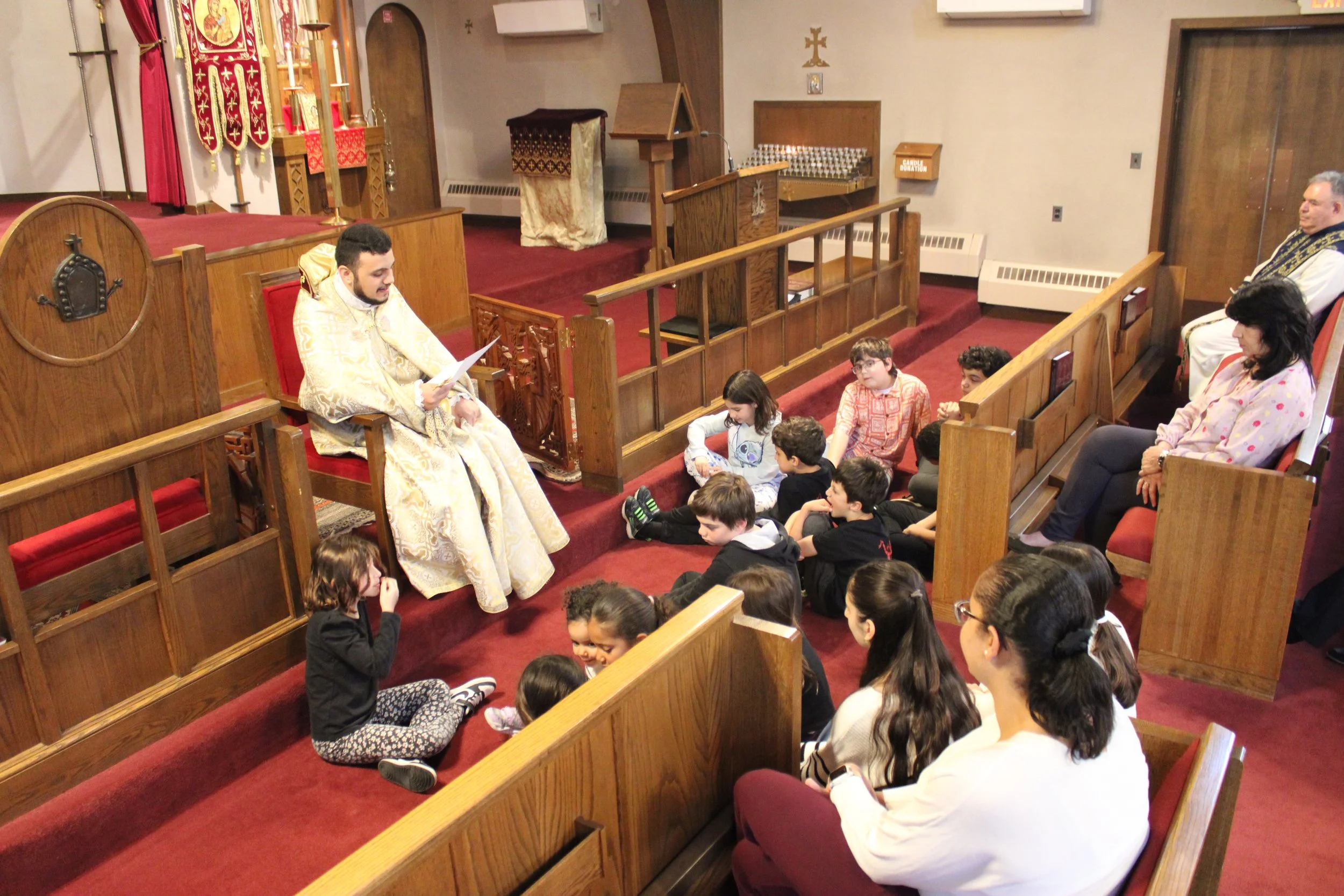
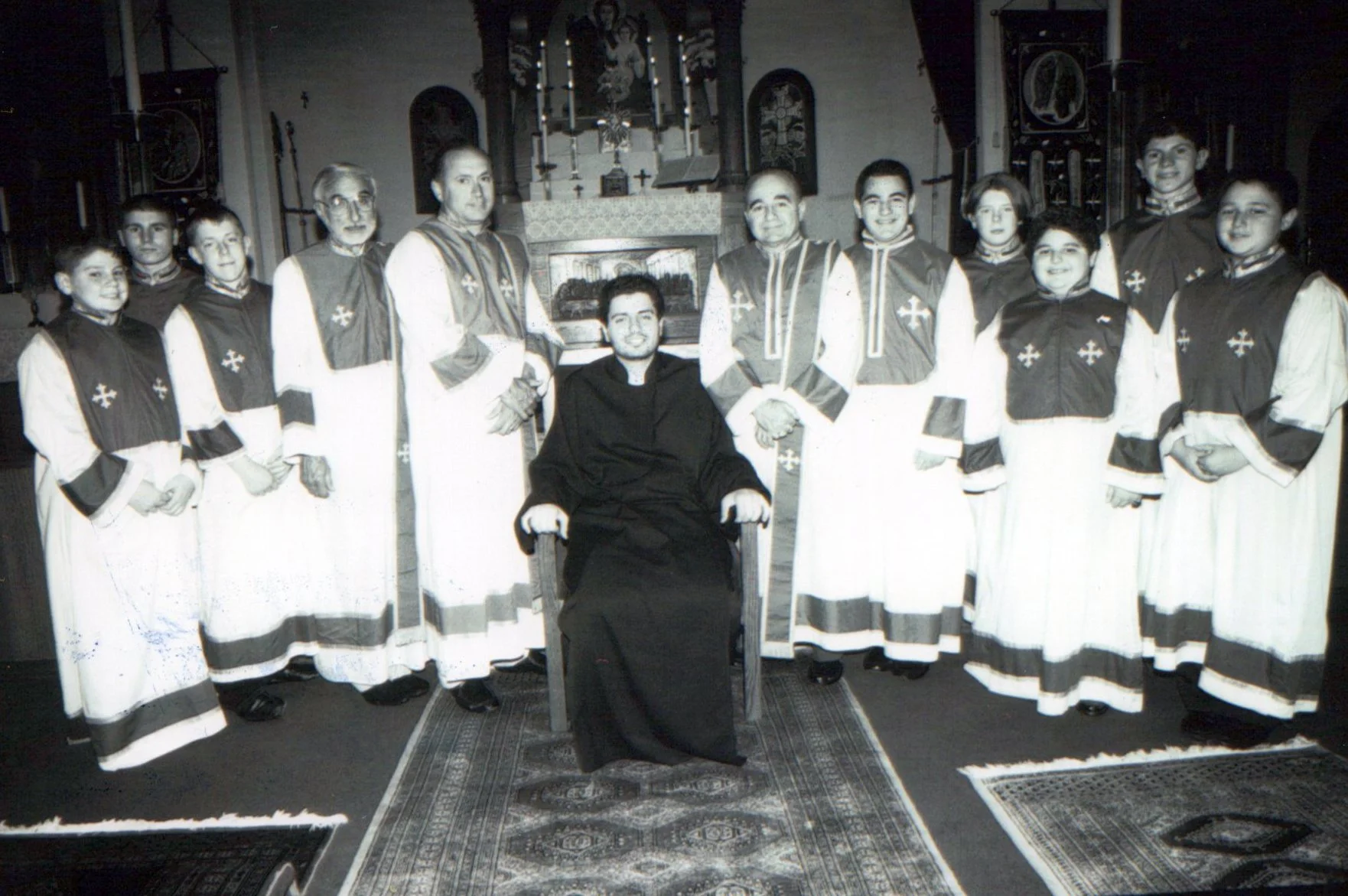
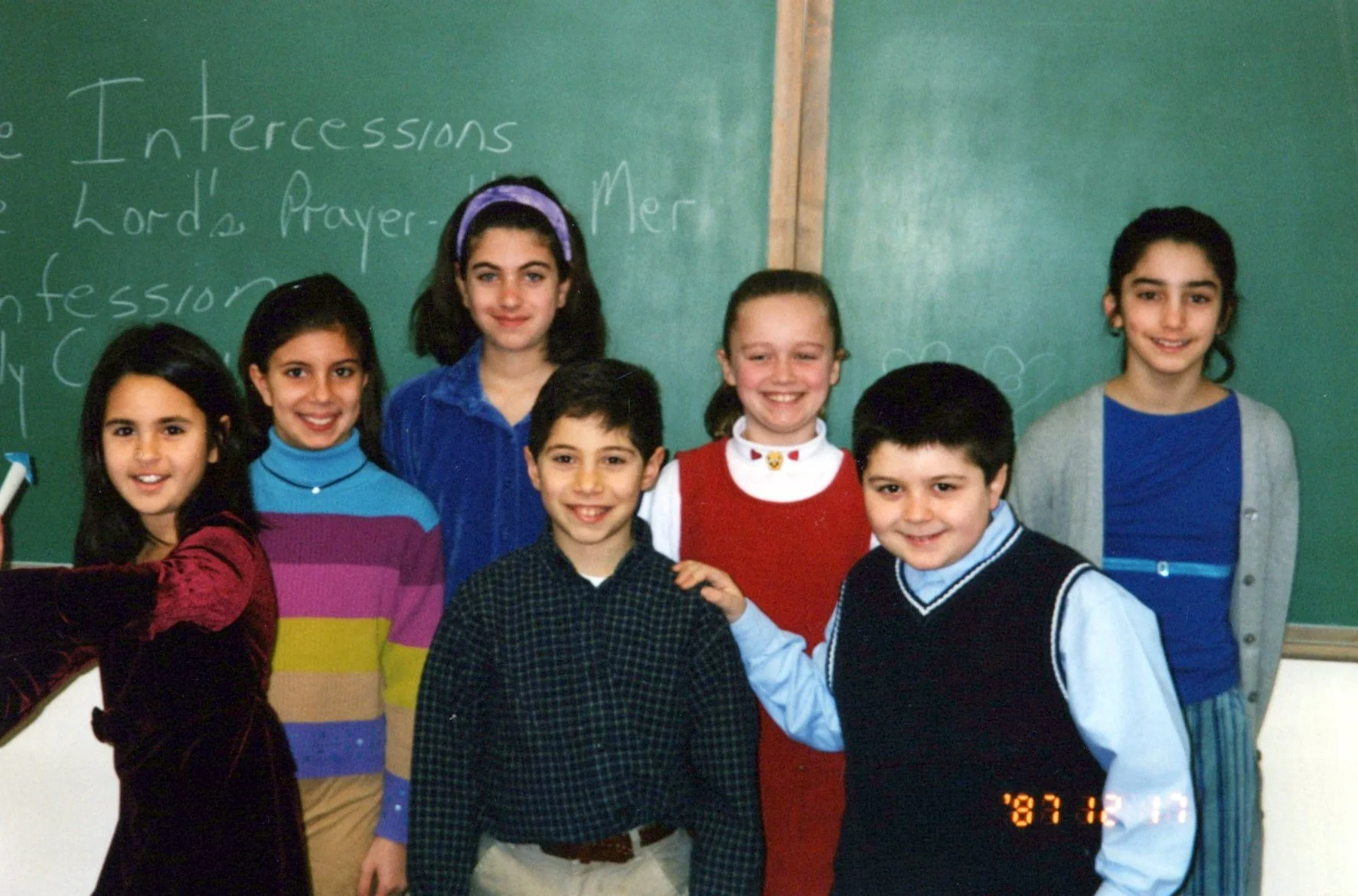
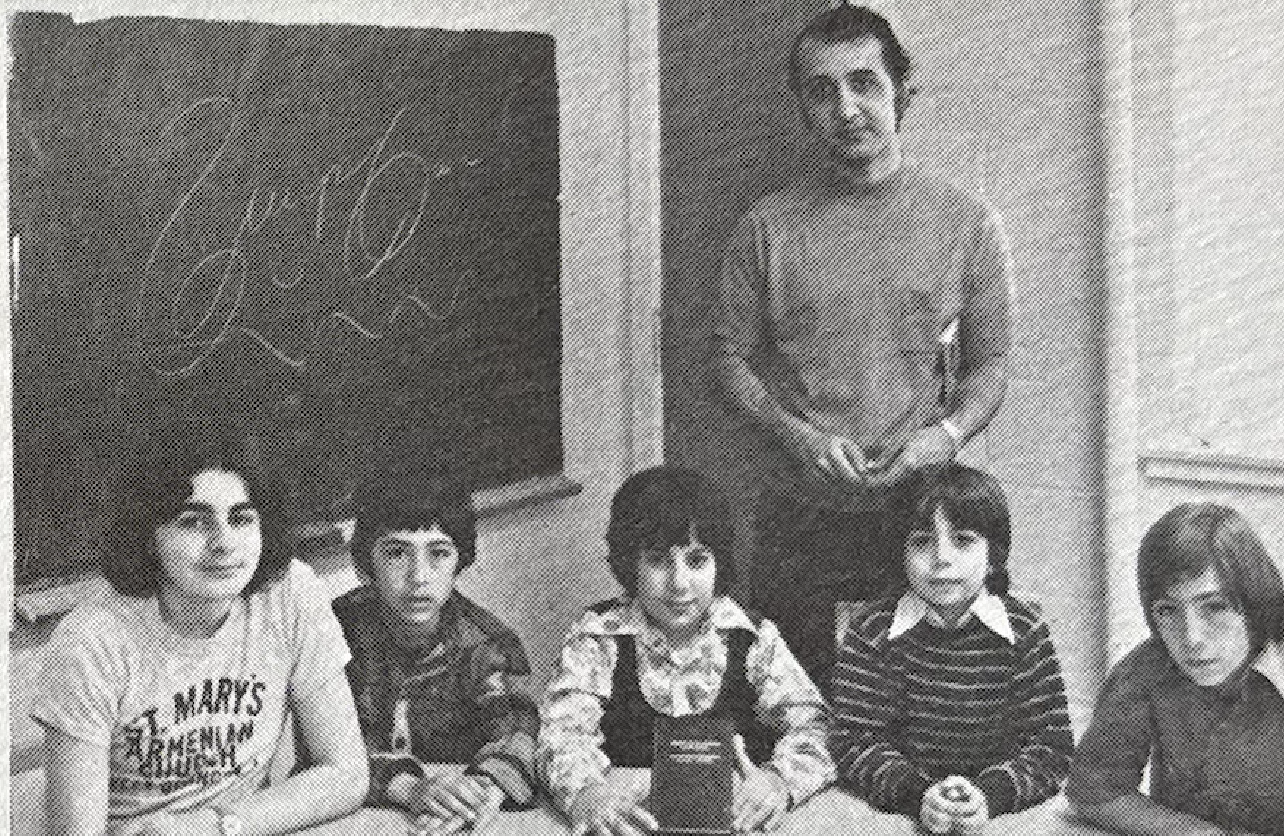
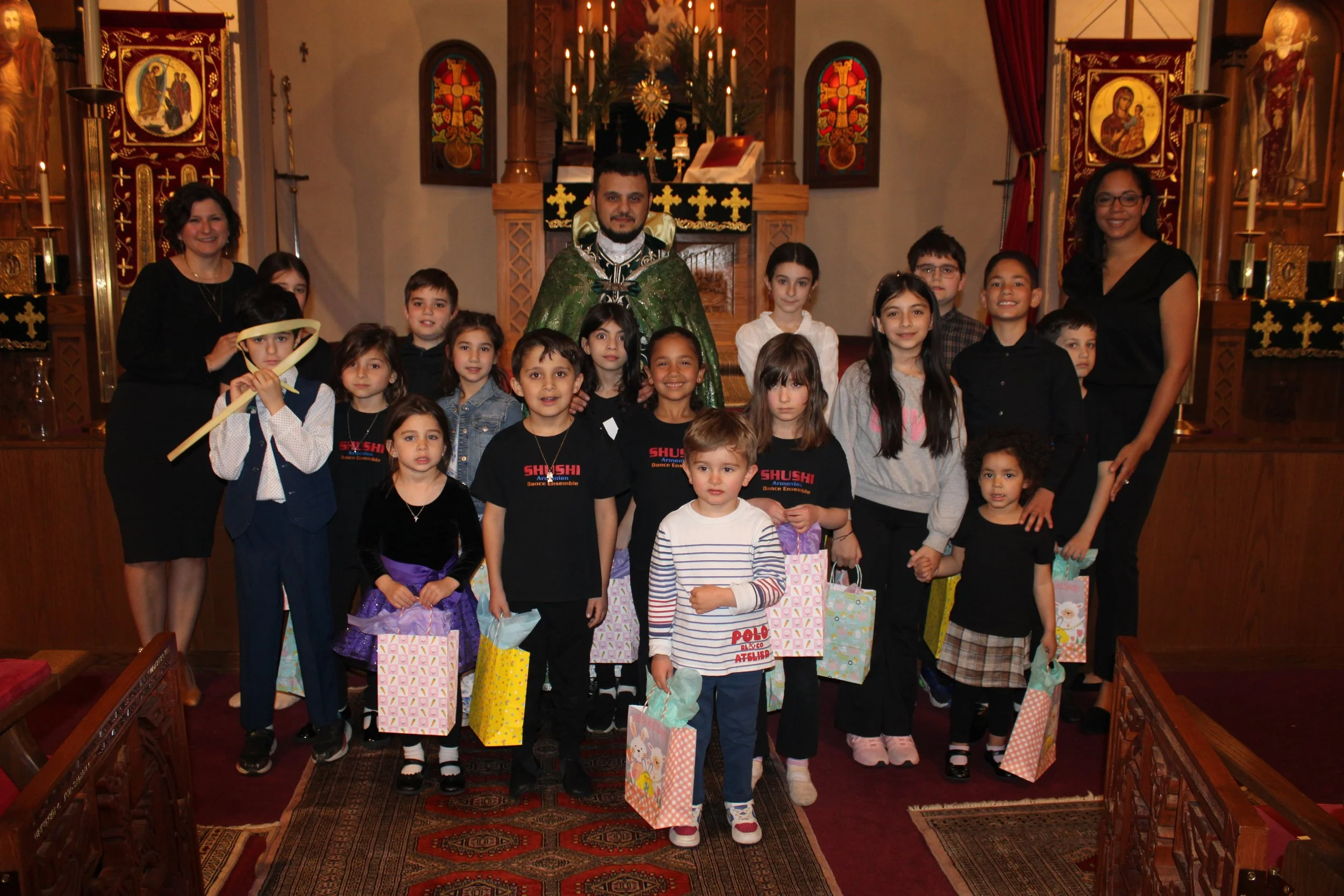
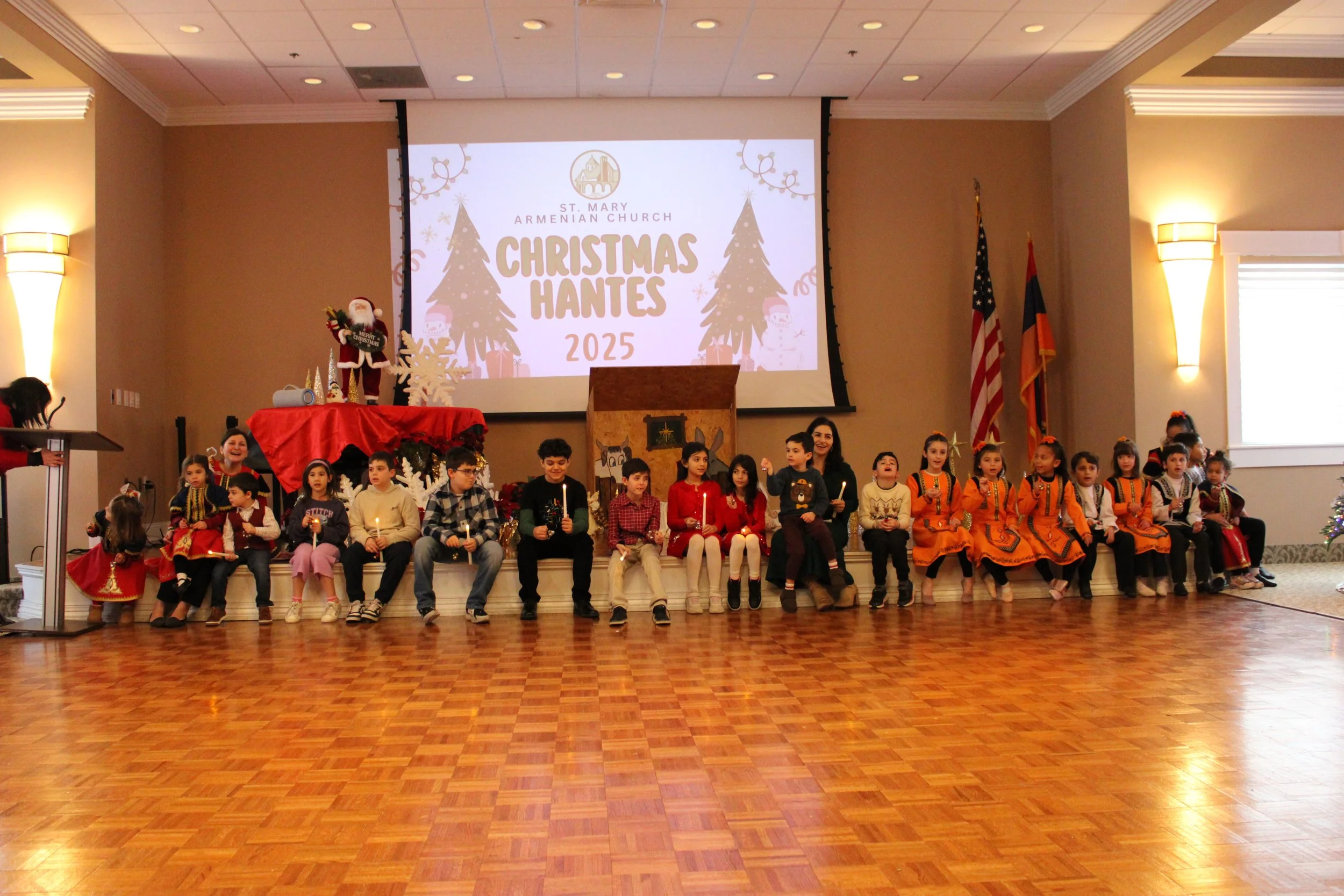
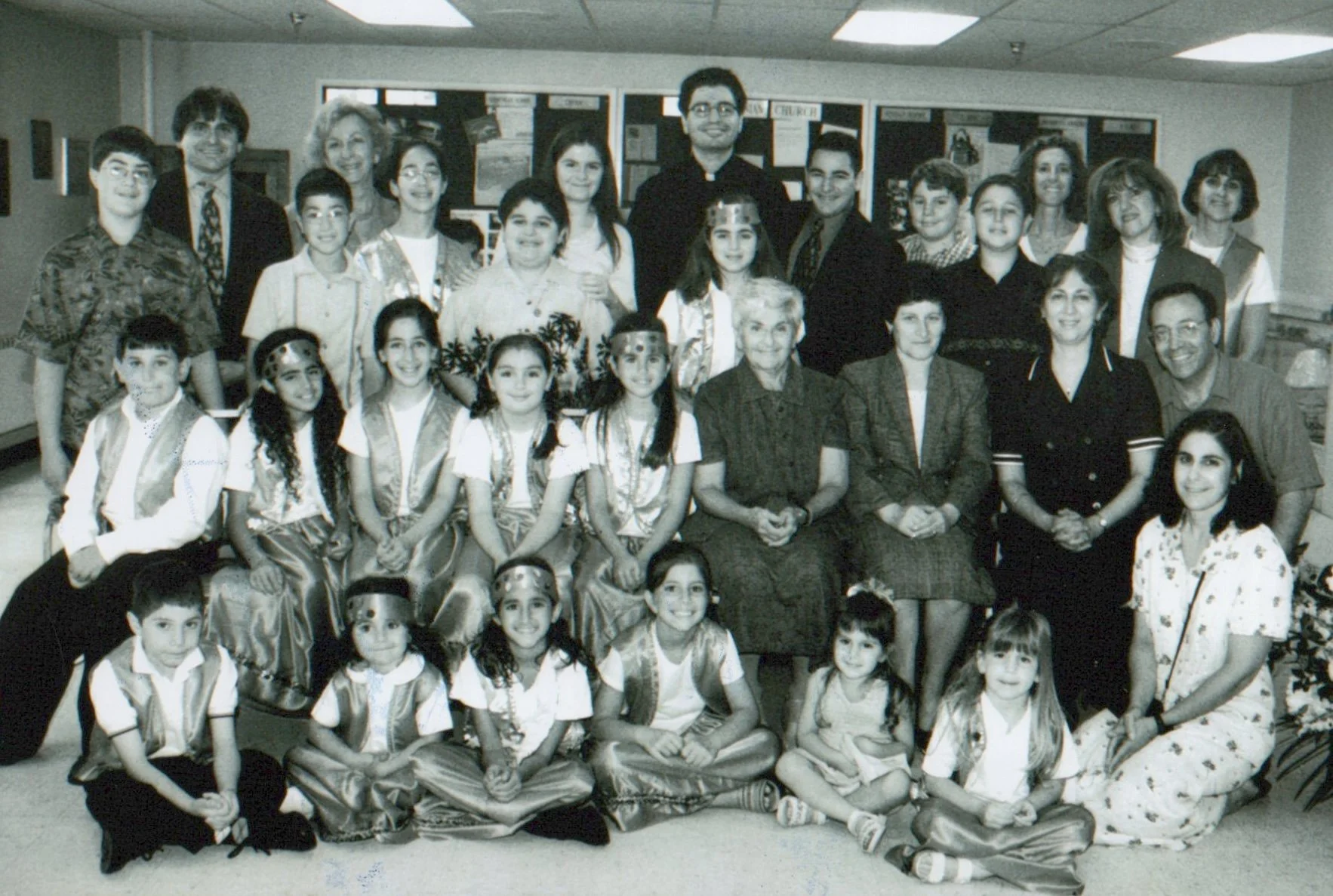
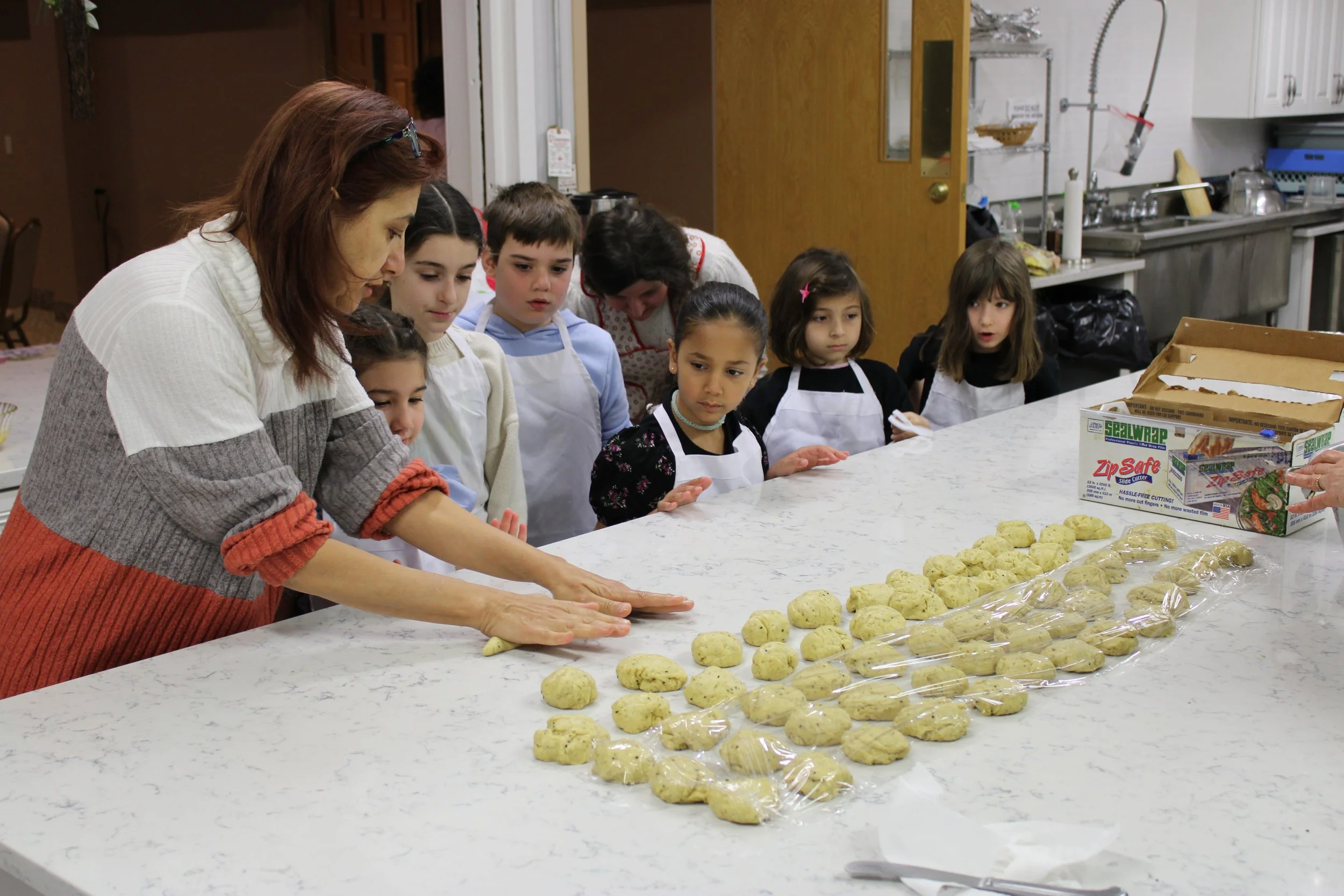
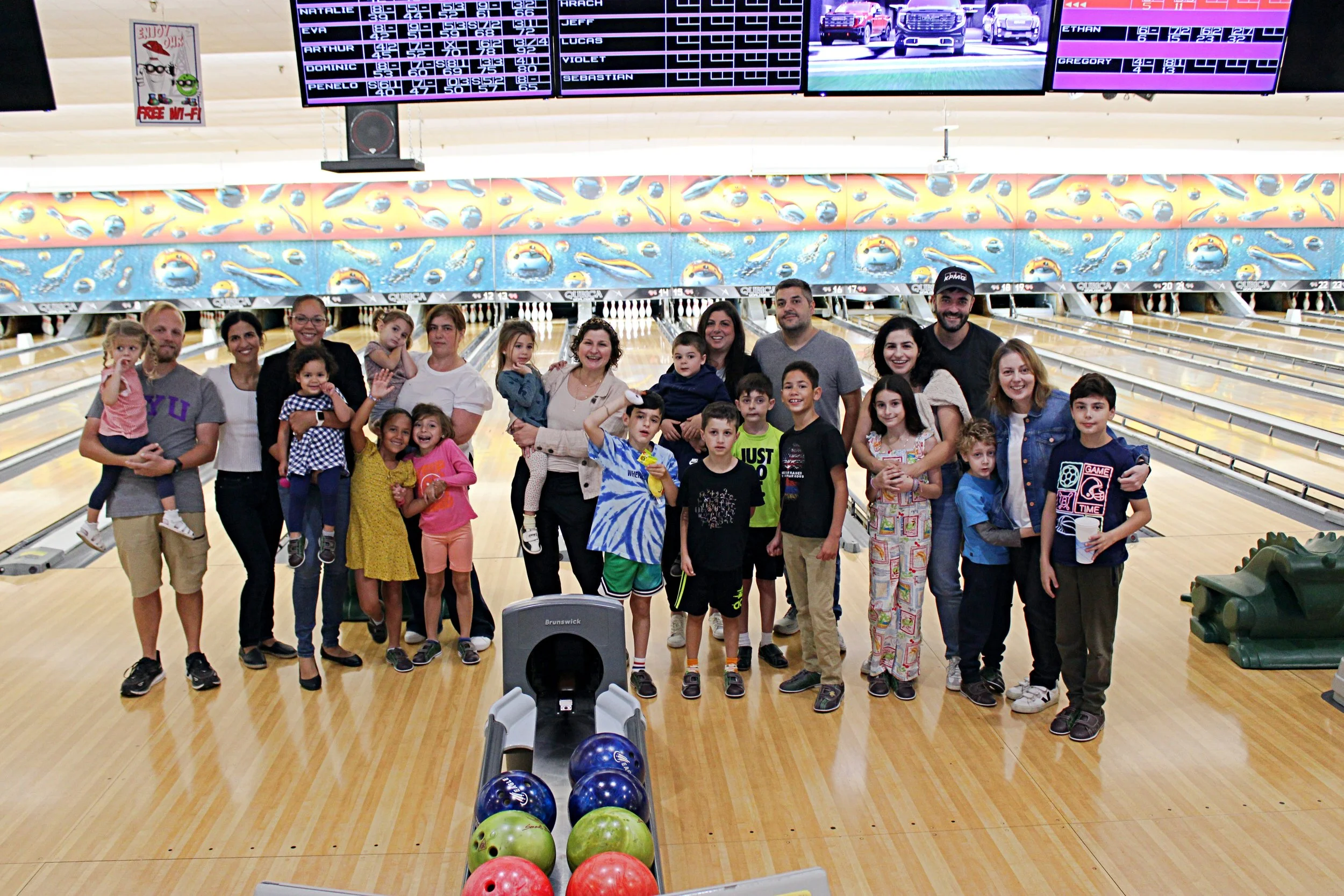
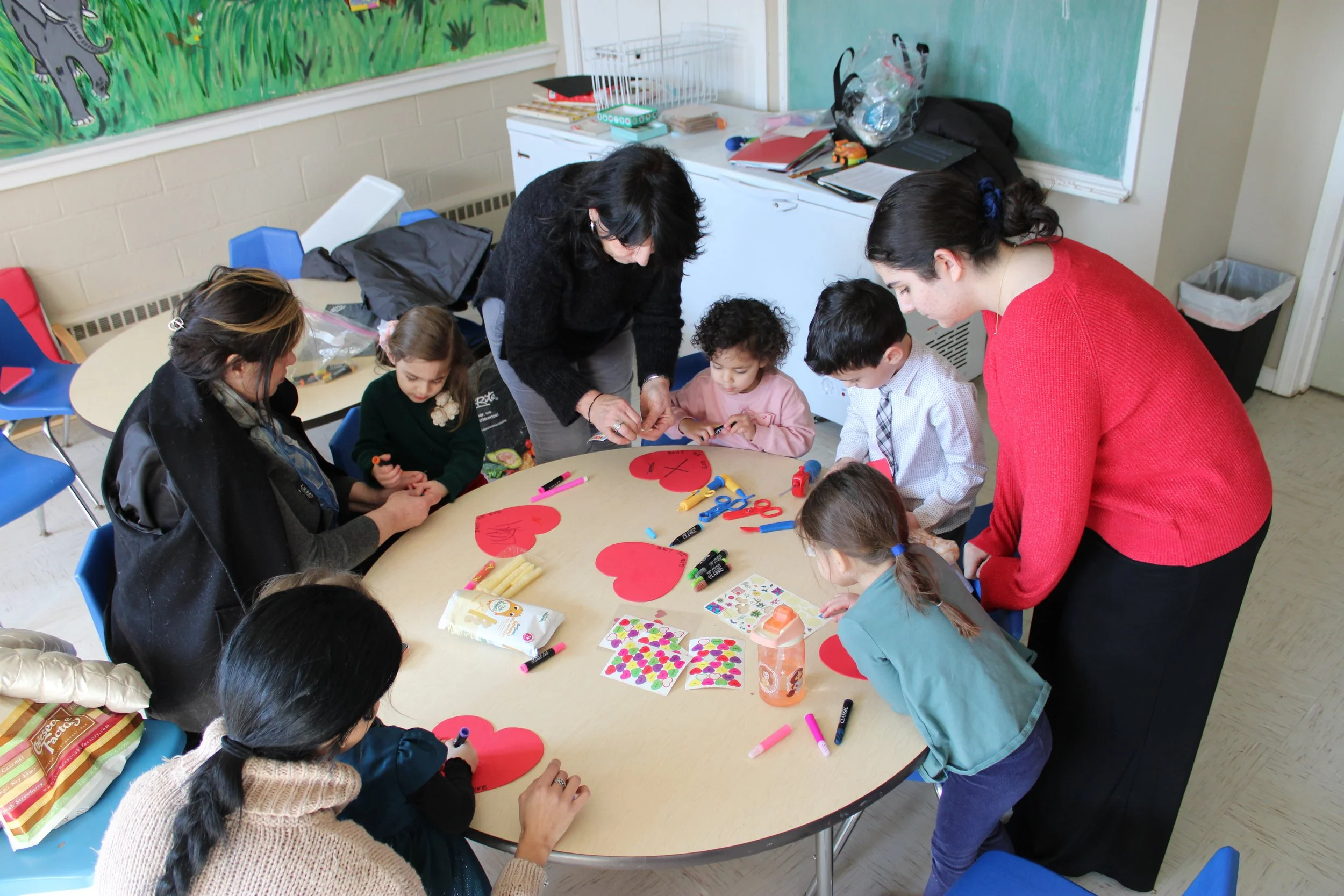
As St. Mary Armenian Church joyfully celebrates its 100th Anniversary, the Sunday School join the entire parish community in giving thanks for a century of faith, perseverance, and devotion. For generations, these educational ministries have served as a vital bridge between our spiritual heritage and the future of our community, helping young parishioners grow in their faith while deepening their connection to Armenian language, culture, and traditions.
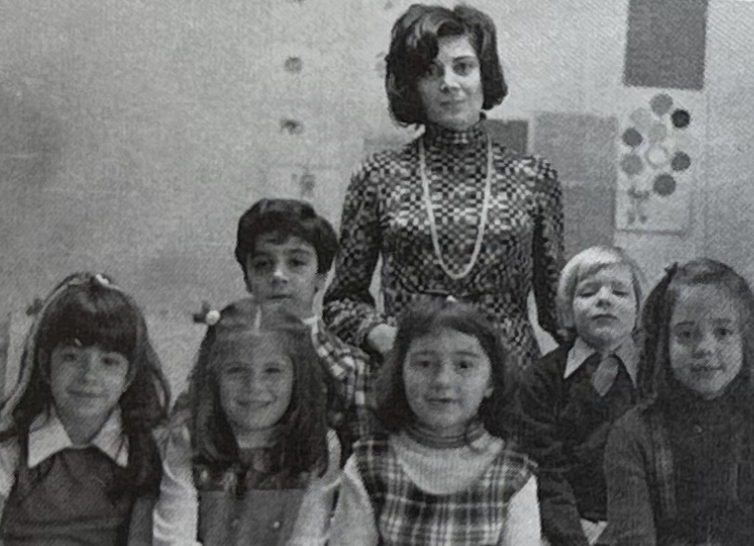
The roots of Sunday School within our parish community stretch back nearly as far as the parish itself. The first Armenian Sunday School for the community was established in 1929, only a few years after the parish was officially organized in 1926. Early classes were held wherever space could be found—in church halls, private homes, and even local businesses. Dedicated teachers and community leaders ensured that Armenian children had the opportunity to learn their language, history, and faith despite limited resources. These early efforts laid the foundation for what would eventually become the Sunday School at St. Mary.
Over the decades, the school programs evolved alongside the parish. They were reorganized several times as the community grew, eventually finding a permanent home within St. Mary Armenian Church. Through the tireless commitment of clergy, teachers, and volunteers, the program expanded beyond language instruction to include religious education, cultural celebrations, music, dance, and community gatherings. Each generation has adapted the program to meet the needs of its students while preserving its essential mission: to nurture faithful, knowledgeable, and proud Armenian Christians.
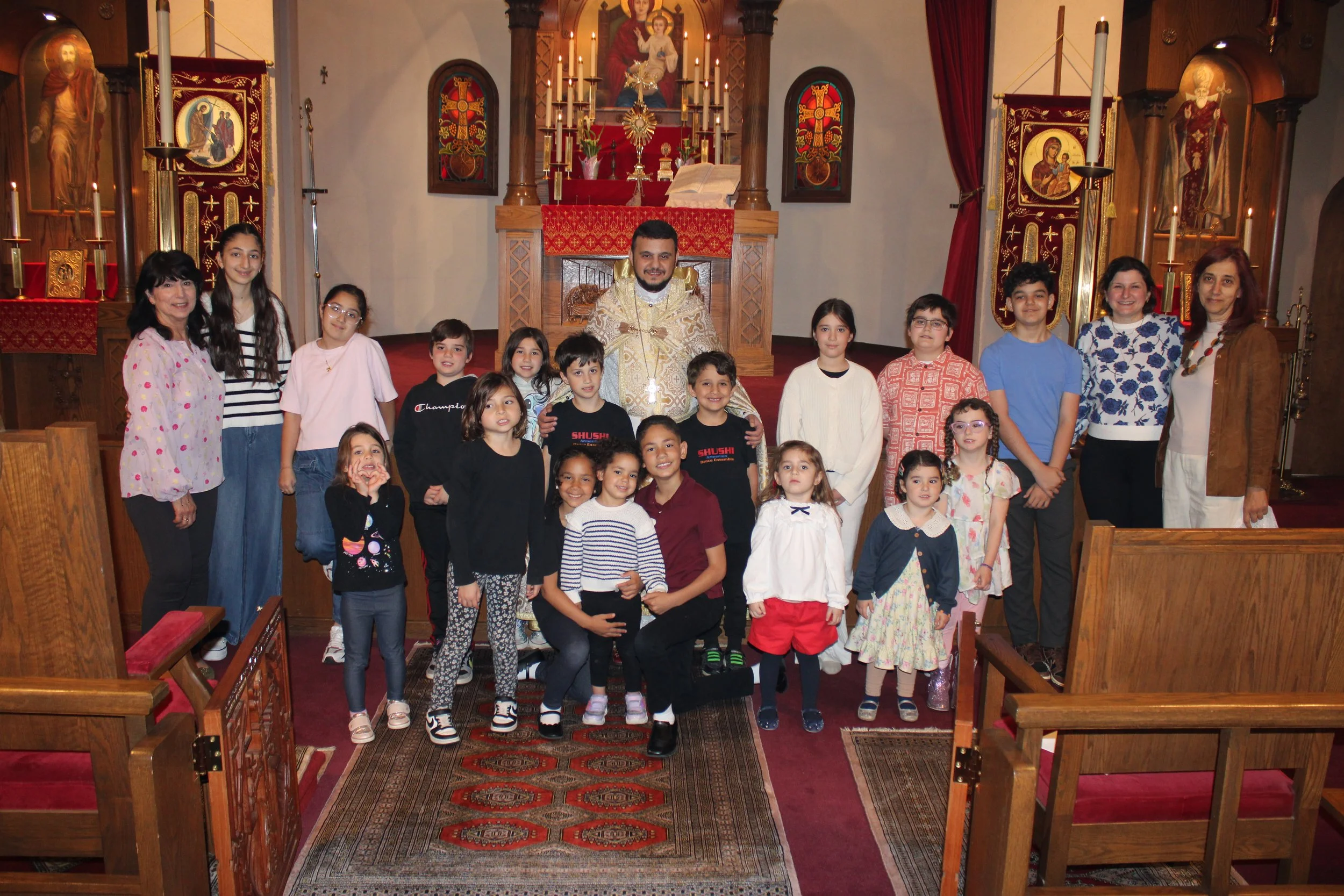
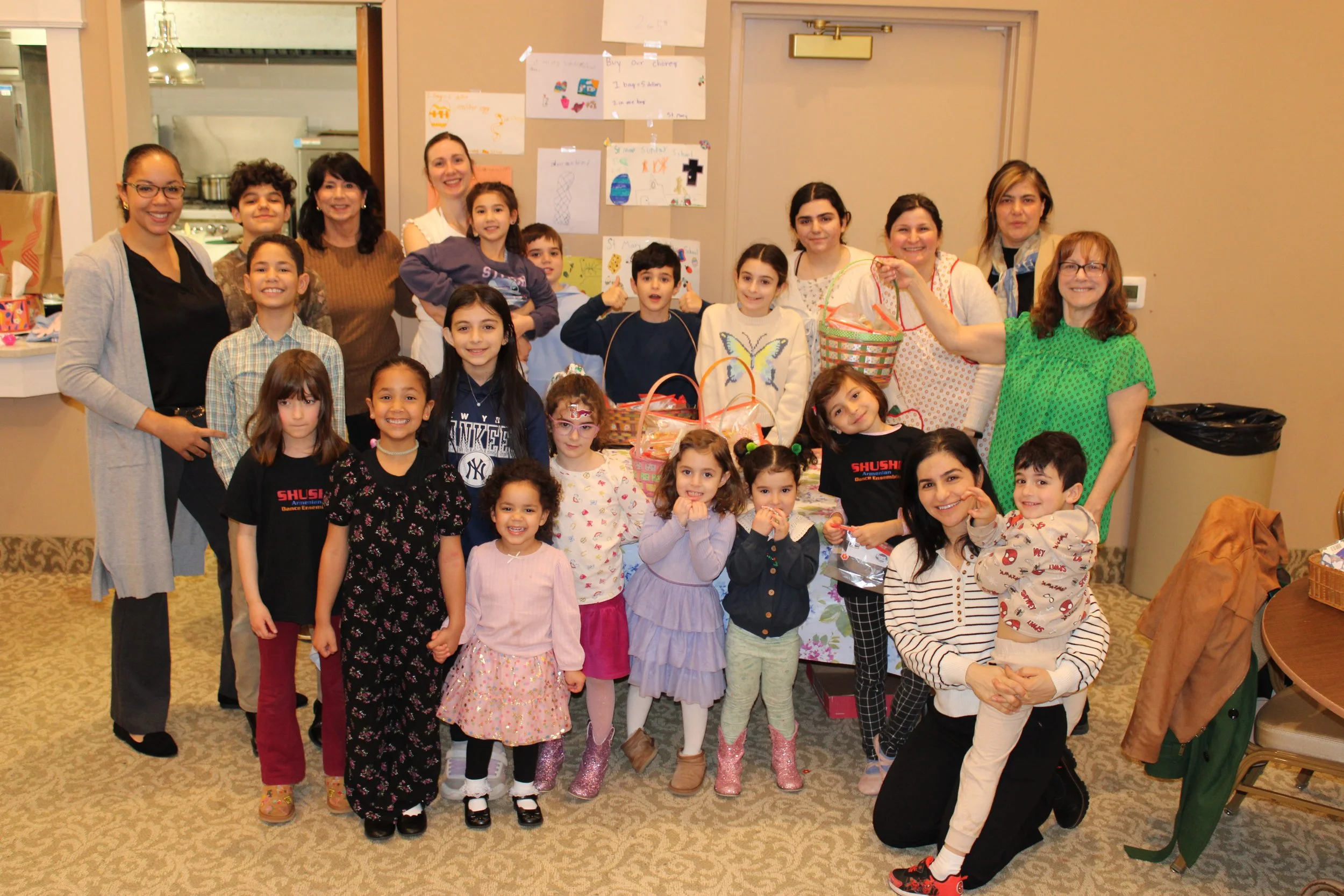
Today, the Araratian Armenian School and Sunday School remain vibrant ministries that bring together children, families, and educators in a shared journey of learning and faith. Students participate in liturgical life, observe the traditions of the Armenian Church, commemorate important moments in Armenian history, and celebrate cultural events throughout the year. These experiences help cultivate a deep sense of belonging and identity, ensuring that our heritage continues to live in the hearts of our youth.
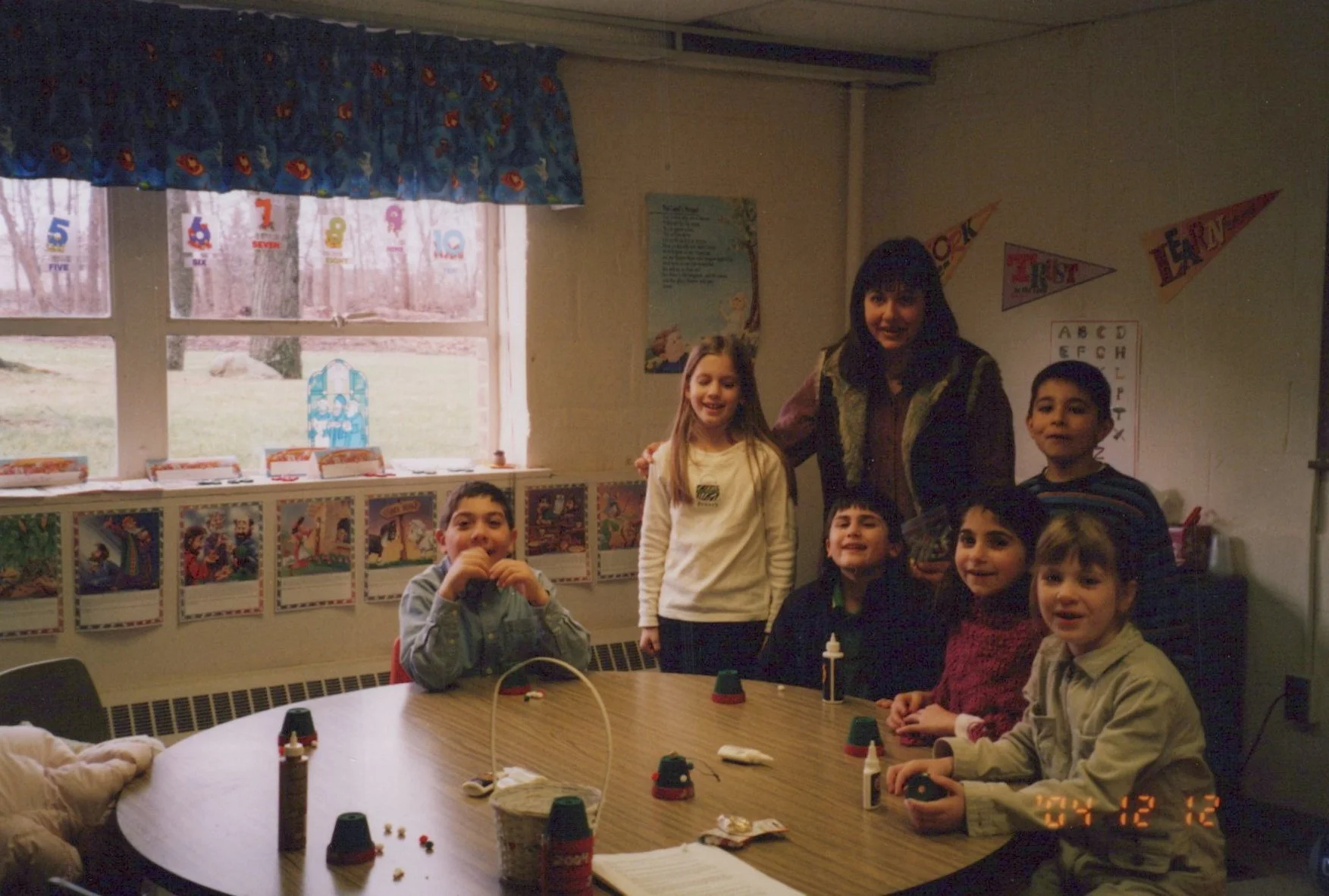
We are profoundly grateful to the many teachers, superintendents, clergy, parents, and volunteers—past and present—whose dedication has sustained these programs for generations. Their commitment reflects the enduring spirit of our parish and the Armenian people, as well as the belief that we must lovingly pass on the faith and heritage we have inherited. We would like to acknowledge the many individuals who have nurtured this program over the years. Listed below are those who have served as Sunday School superintendents. Our sincere apologies if any parishioners are not listed; please know we are deeply grateful for all you have contributed to this program:
Yn. Sirarpi Aivazian, Dr. Zaven Ariyan, Sally Barmakian, Anahid Benlian, Barbara Chamberjian, Silva Dechoyan, Yn. Anush Derian, Alice Hallajian, Grace Jae, Dr. Richard Kopp, Gail Palaez, Sevanne Solazzo (current), Anita Kajajian-West, and Esther Zaybekian.
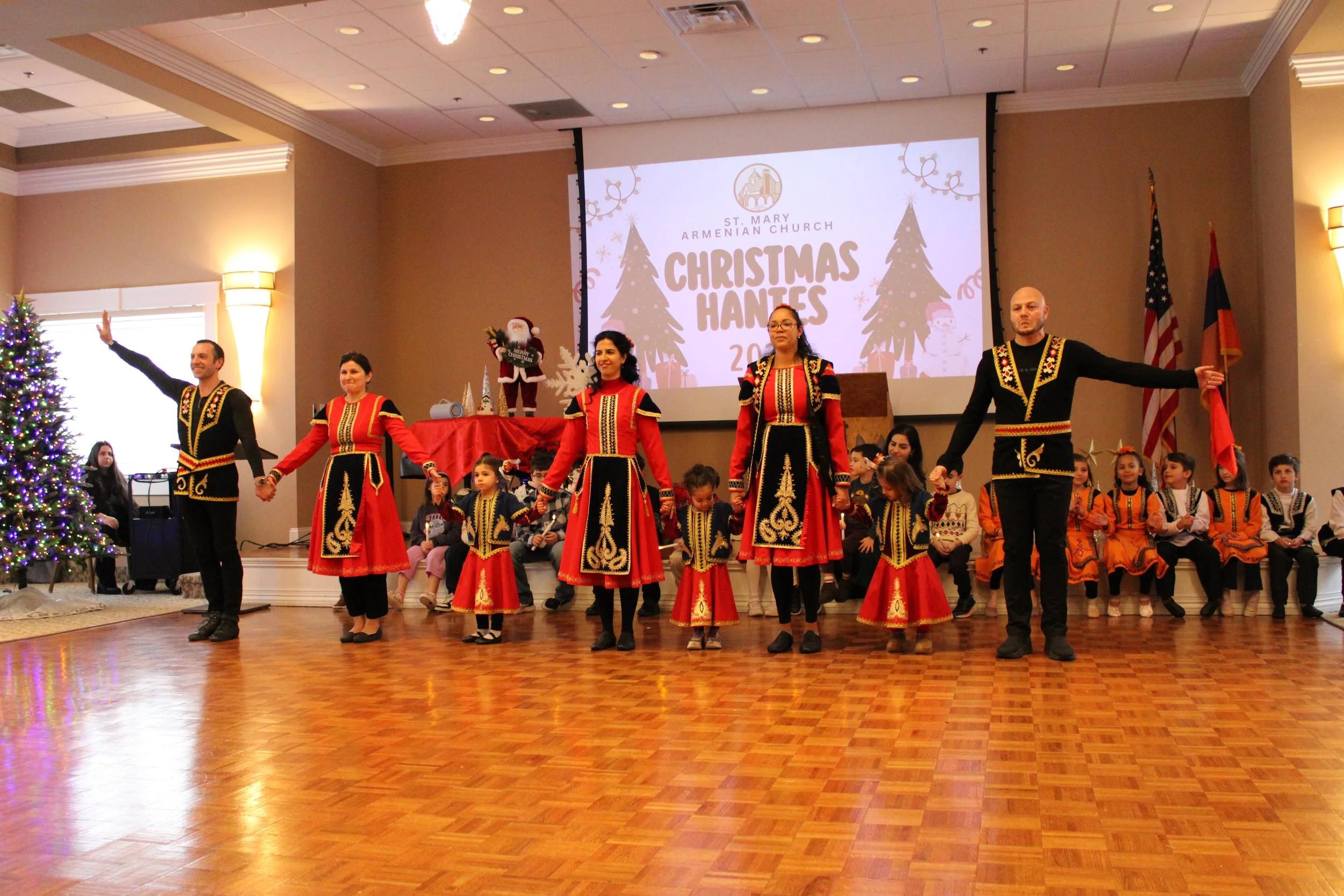
Today, we are blessed by the long-term commitment and dedication of parishioners Mrs. Grace Jae, Mr. Chris Zakian, and Mrs. Anahid Benlian, who are our current program teachers. They have served faithfully for many years and continue to actively teach and mentor newer families and volunteers, helping to sustain these programs for years to come under the spiritual guidance and direction of Der Voskan Hovhannisyan. We are also especially grateful for the contributions of the talented Mr. Avetik Karapetyan, who joined us this year to teach Armenian dance through the Shushi Armenian Dance Ensemble program.
As we celebrate this historic centennial, we look forward with hope and prayer. May the Araratian Armenian School and Sunday School continue to inspire future generations of students to grow in faith, knowledge, and pride in their Armenian identity, strengthening the life of St. Mary Armenian Church for the next hundred years and beyond.
ARARATIAN ARMENIAN SCHOOL
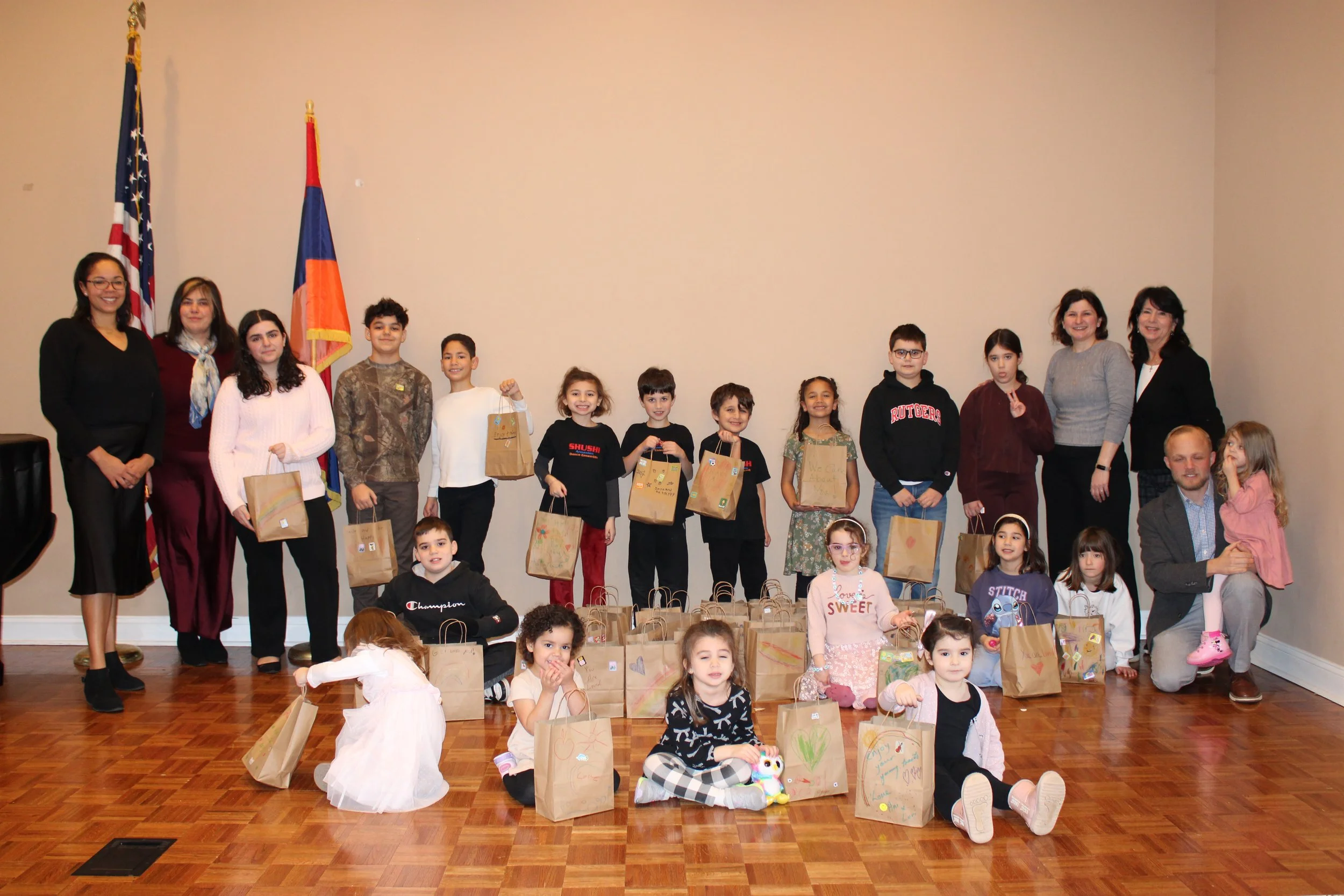
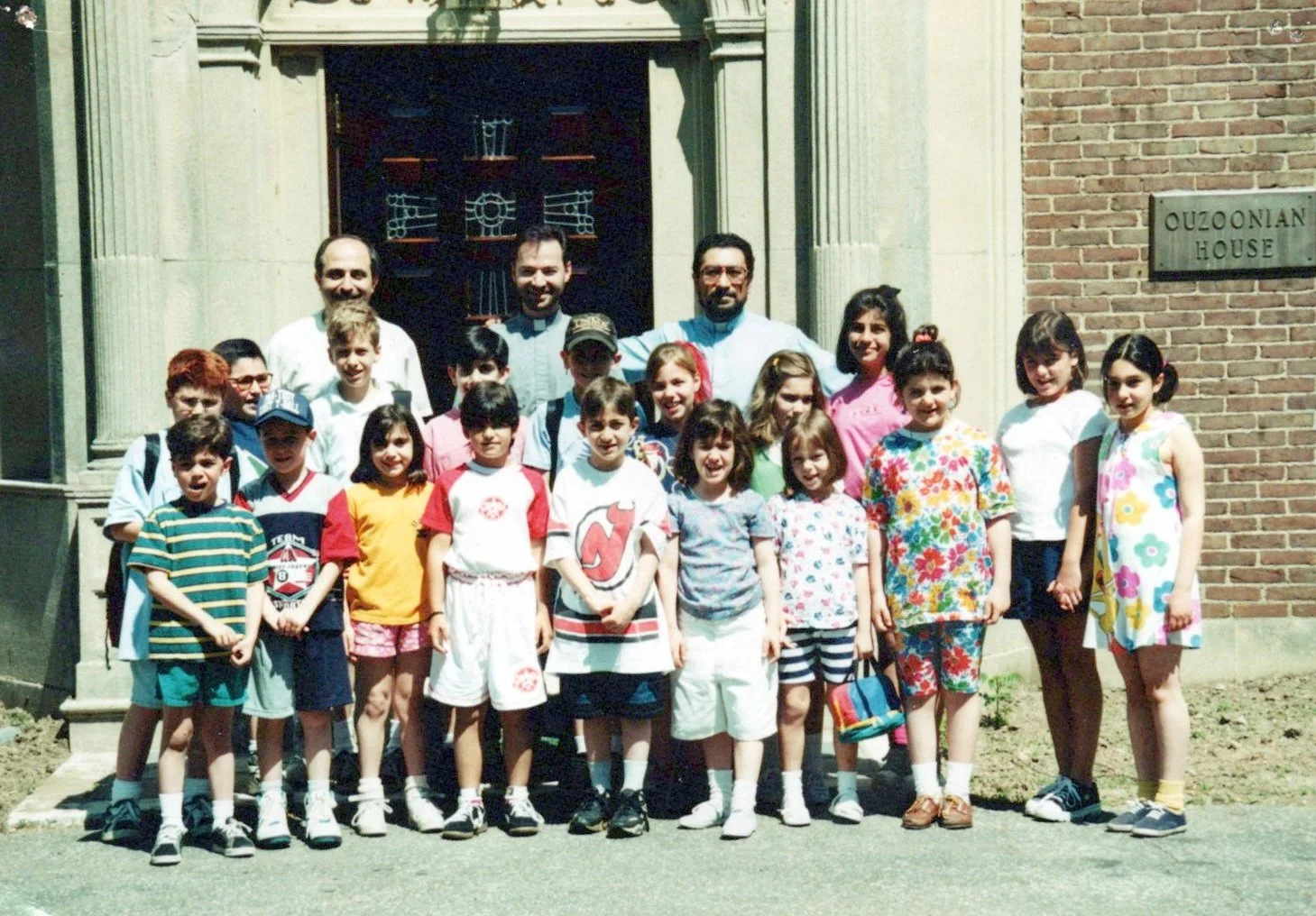
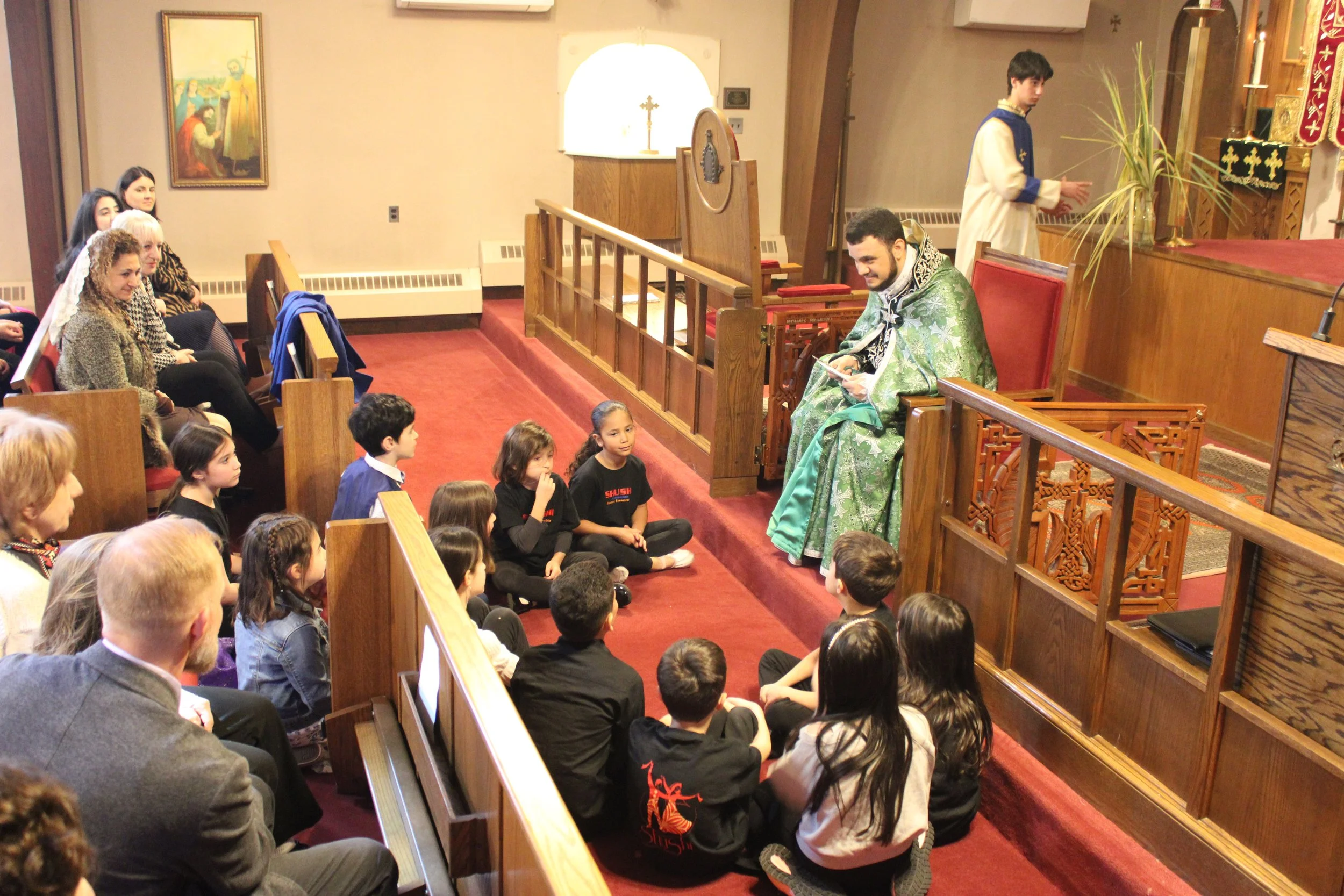
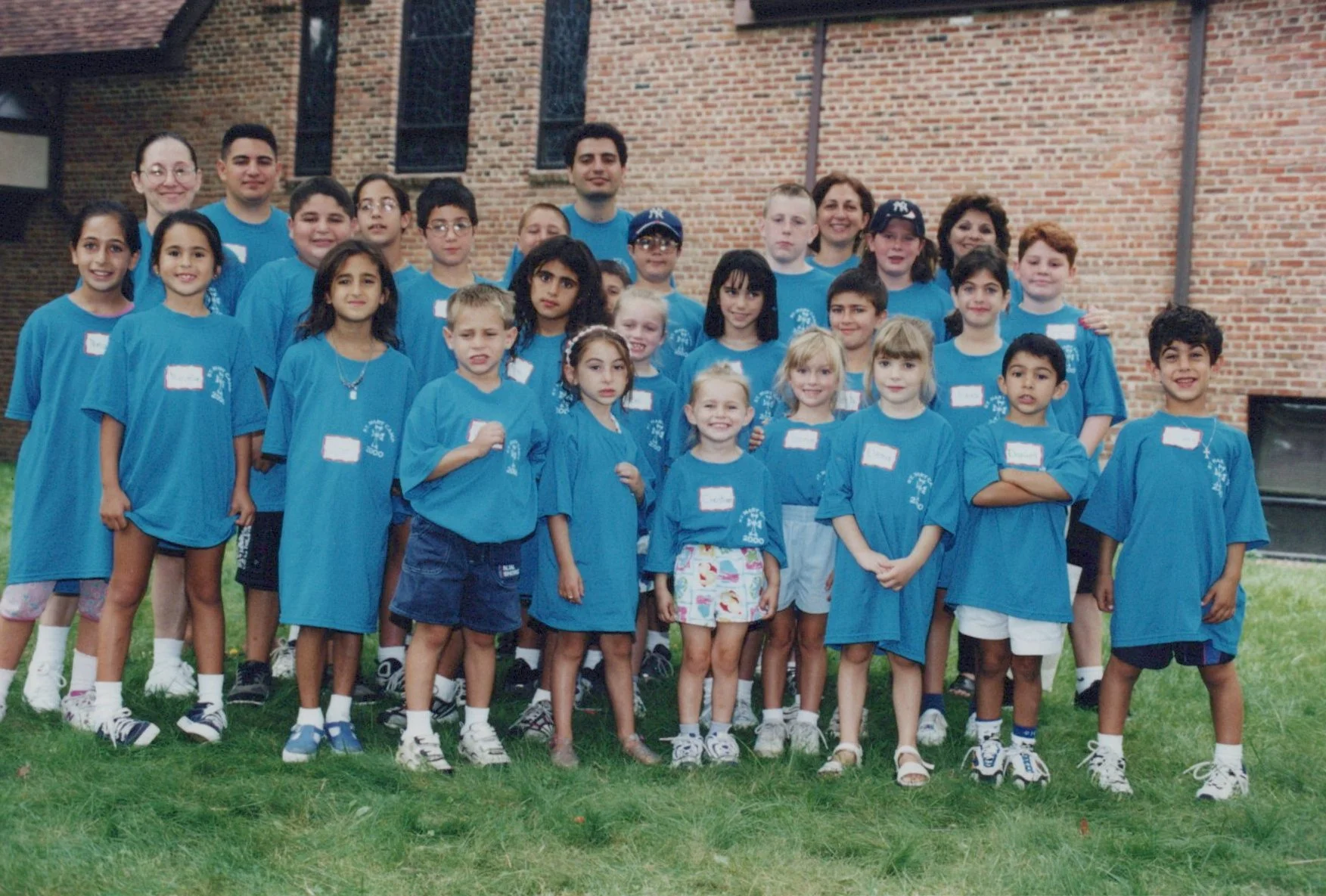
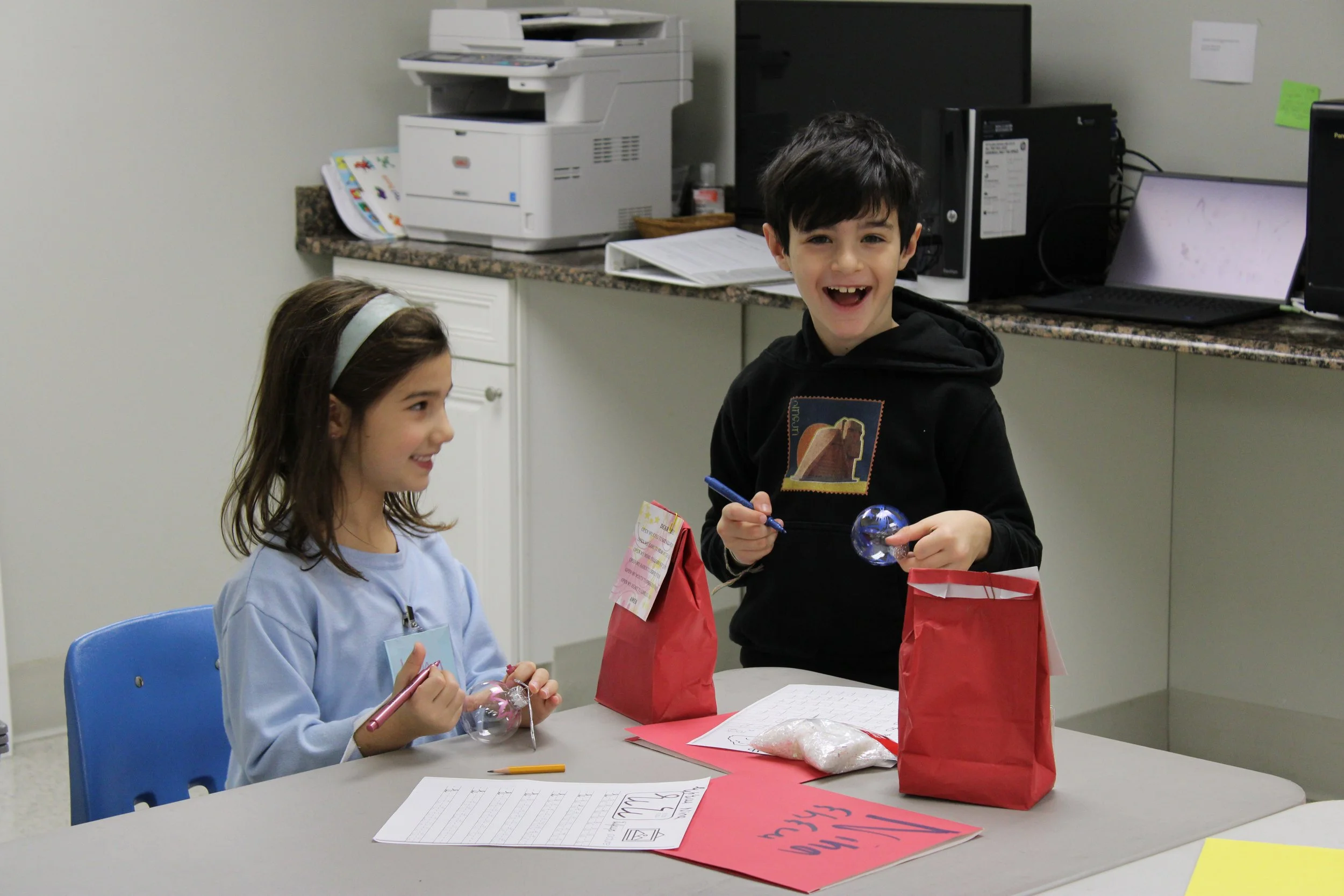
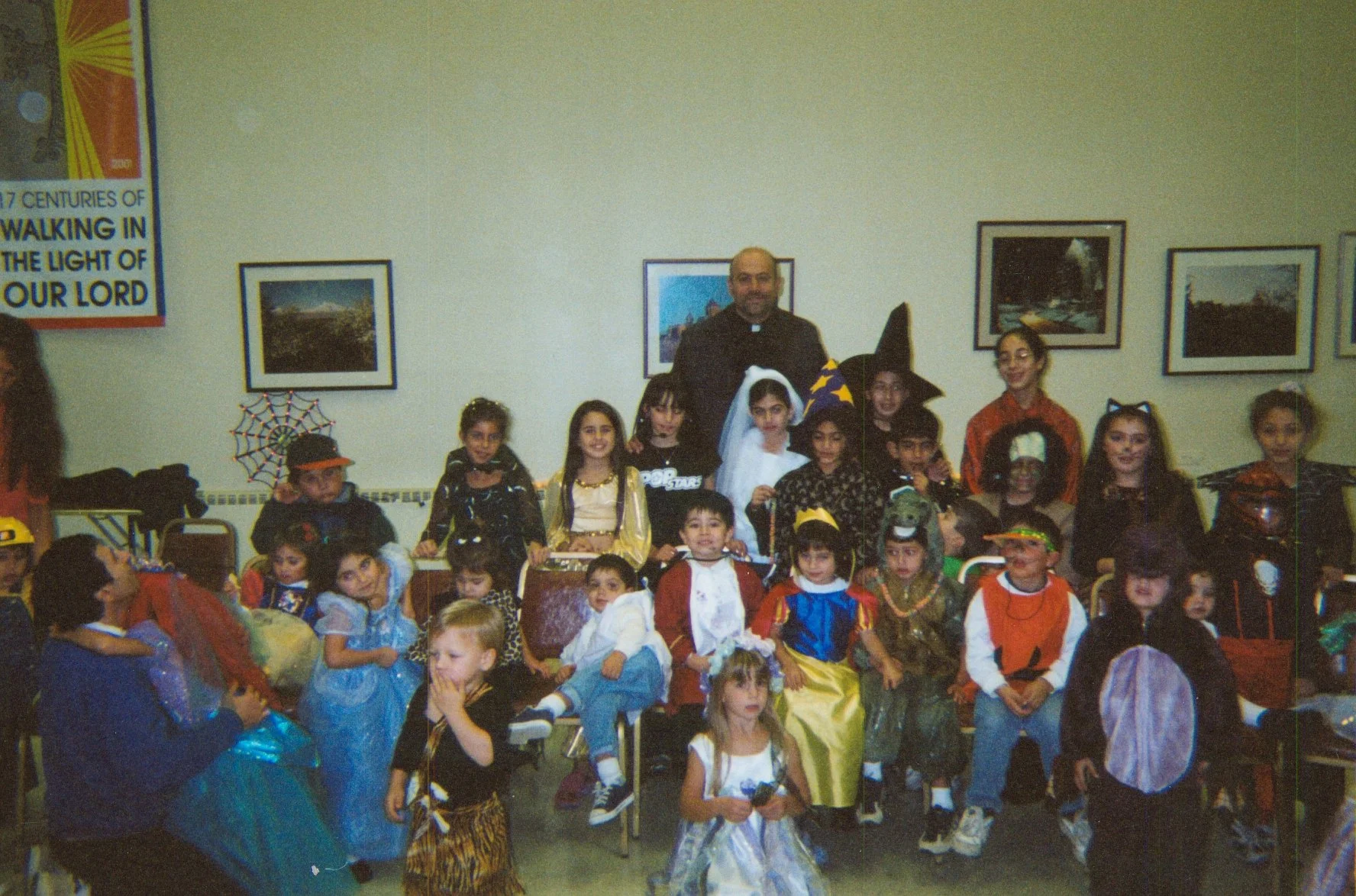
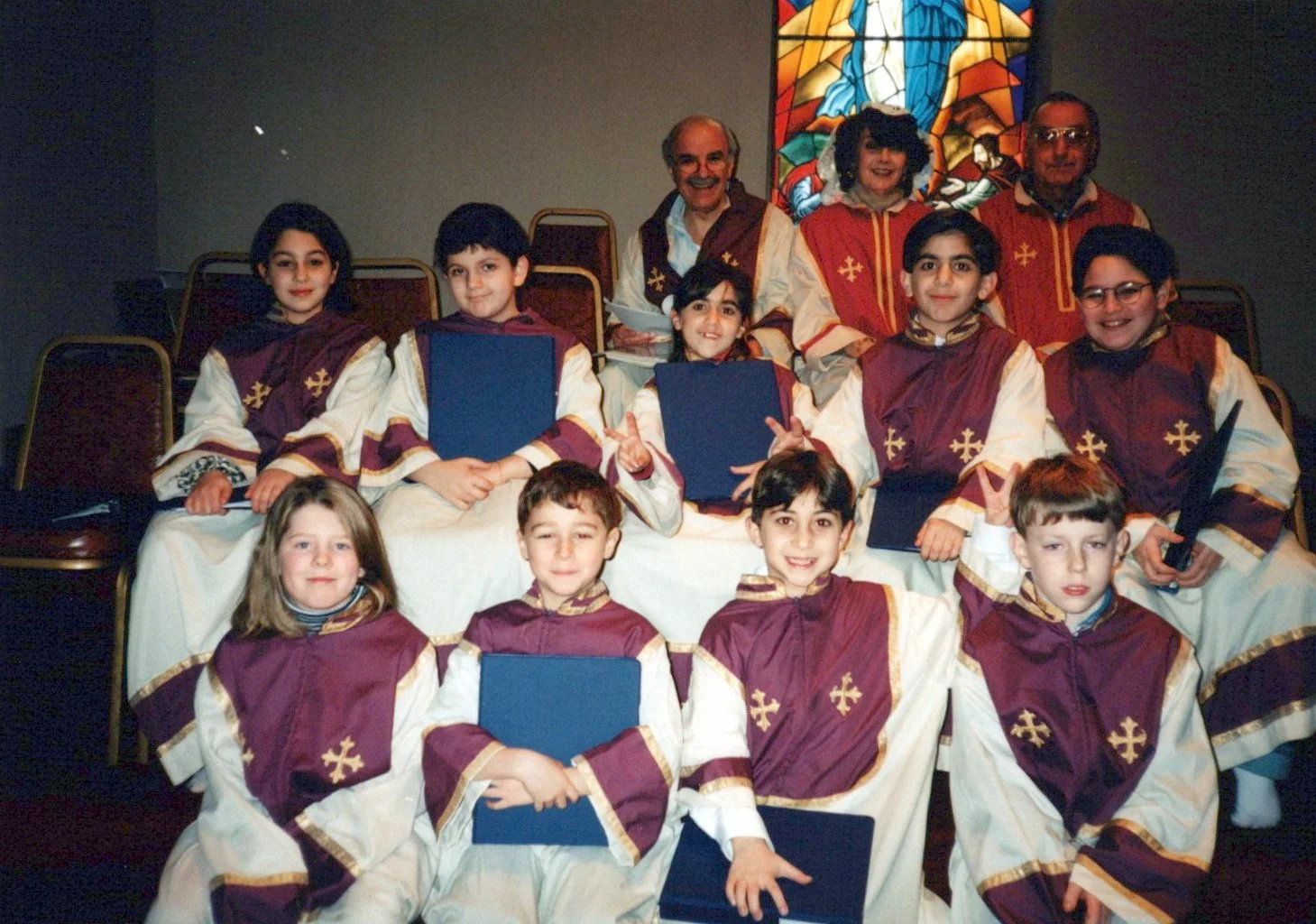
The Armenian community of Newark and surrounding areas was officially established as a parish in 1926. Its first religious service took place at Grace Episcopal Church in Newark, led by Primate Archbishop Tirayre Hovhanessian. More than 1,000 people attended this significant gathering, marking the beginning of a dedicated effort to establish an Armenian church for the growing local population.
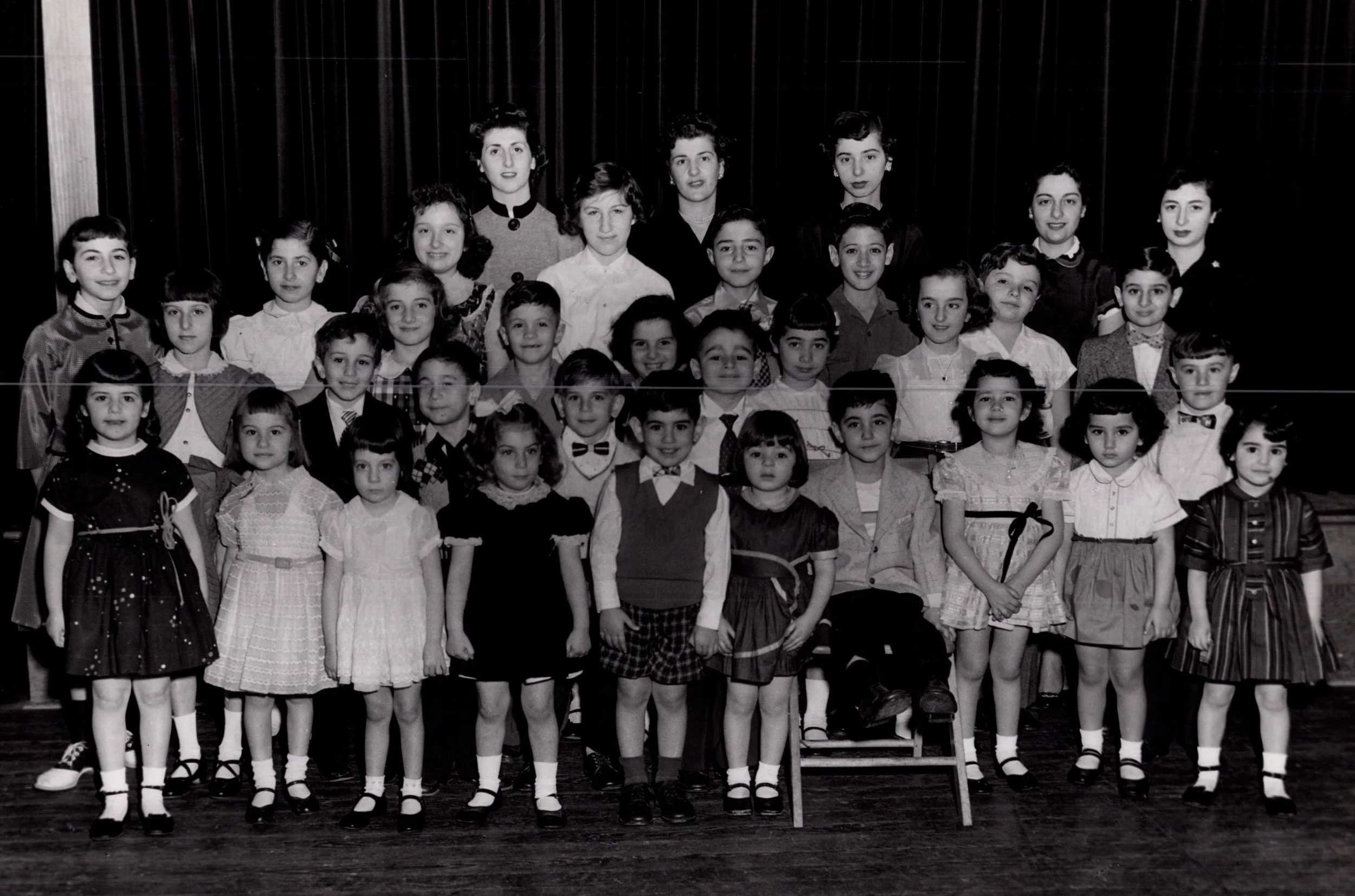
The Armenian School has long served as a vital link between past and future generations, preserving the community’s unique heritage. The first Armenian School was founded in 1929 under the leadership of Mr. Haratiune Karamian, who served as both superintendent and teacher. Early classes were held in rented church halls and private homes.
By 1932, instruction was led by Mr. Kegham Keghak, with classes taking place at the Margosian home in Newark. The school later relocated to St. John’s Episcopal Church on Elwood Avenue, and then to the back of the Aslanian Rug Store on Broadway, where Mrs. Moval served as teacher.
In 1938, students from both Paterson and Newark joined together to form the Tourian Armenian National School under the direction of Mrs. Nevart Bakalian (Hajian). That same year, the school presented its first drama-operetta based on the opera Anoosh, launching a tradition of cultural performances and pageants.
In 1941, the school was reorganized at the House of Prayer and renamed the Araratian Armenian School, under the direction of Mr. A. Hovasapian and Reverend J. Jelalian.
Another reorganization took place in 1950 at St. Mary Armenian Church in Irvington, where Mrs. Nevart Hajian led the school until 1958. During this time, Mrs. Dickie Boyajian served as Chairlady and Superintendent of the Armenian School Board. Following Mrs. Hajian’s tenure, Pastor Der Mampre Kouzouian assumed responsibility for instruction.
Under the chairmanship of Mrs. Jean Berberian, the school experienced continued growth, and in 1971 Mr. Berc Araz was appointed superintendent.
In 1973, the school underwent further reorganization under the leadership of the Very Reverend Father Houssig Bagdasian and Chairlady Lillian Badishkanian, who later also served as superintendent. During this period, the Diocese and Armenian School Board launched an expanded program focused on educational advancement and strengthening Armenian cultural identity. In February 1974, Father Bagdasian introduced evening Armenian language classes for adults and college students.
Leadership continued to evolve in the following years:
1977: Mrs. Adrina Shamamian (Superintendent), assisted by Mrs. Victoria Jamjyan (Chairlady)
1978–1980: Miss Kora Zadigian (Superintendent and Chairlady)
1980–1991: Mr. Vartan Abdo (Superintendent) and Mrs. Adrine Abdo (Chairlady)
Each leader contributed with dedication to the school’s growth and its ability to meet the changing needs of the community.
Subsequent leadership includes:
Hovhannes Mardirossian (1991–1997)
Carol Nemetz & Roxanne Panosian (2000–2001)
Victor Arabagian (2002)
Rafi Krikorian (2003–2005)
Silva Dechoyan (2006–2007)
Carol Nemetz (2009–2017)
Yn. Anush Derian (2017–2023)
Sevanne Solazzo (Present)
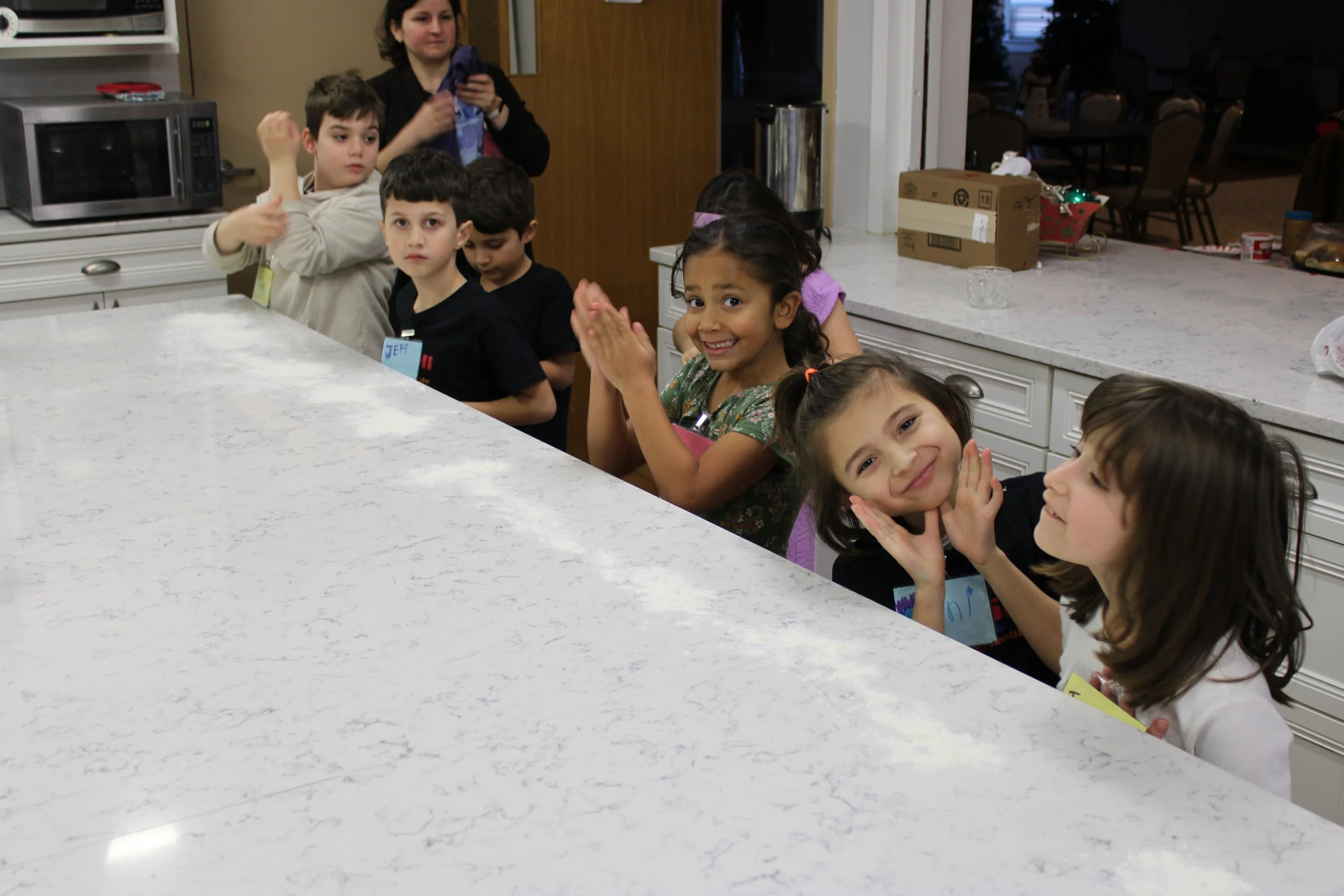
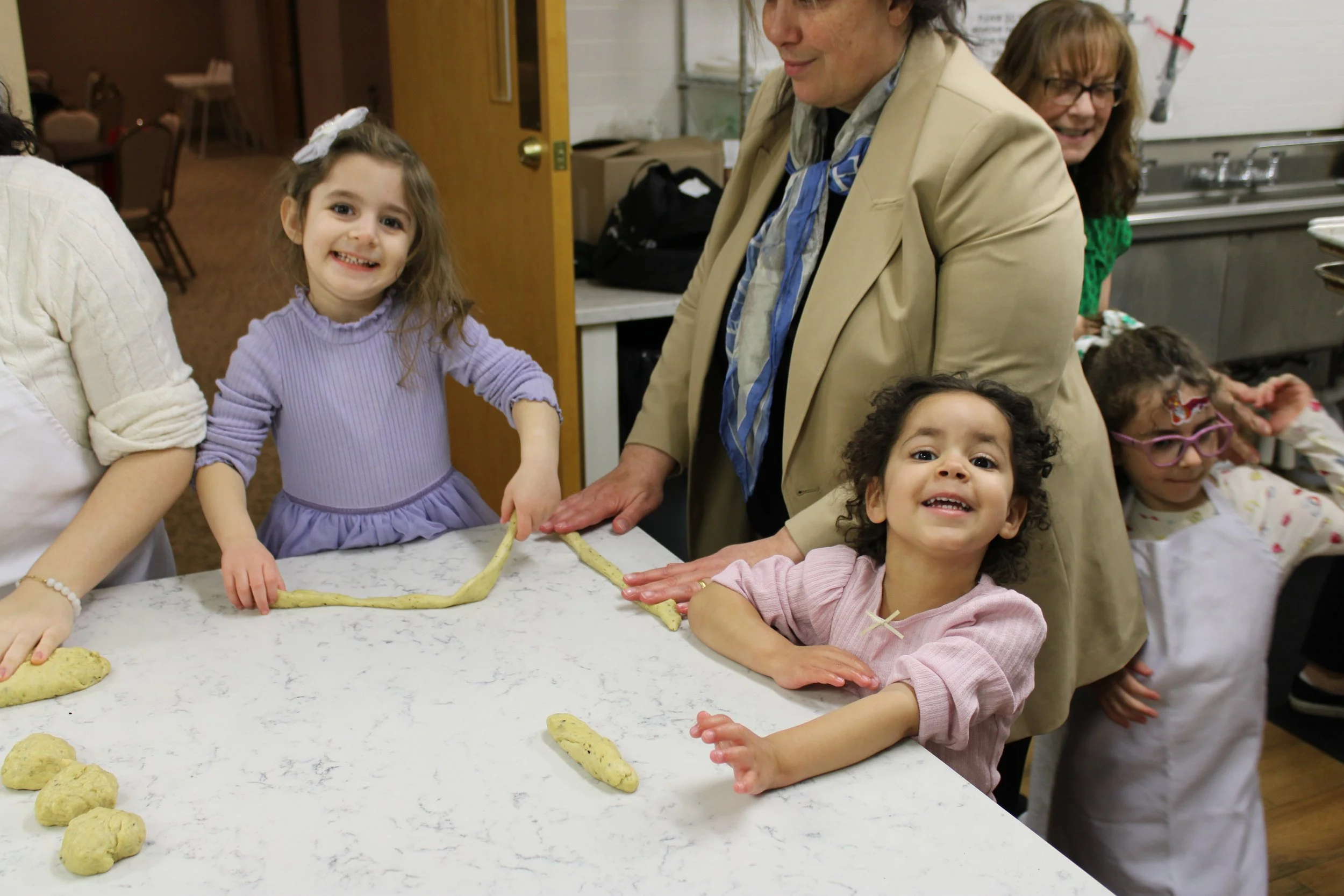
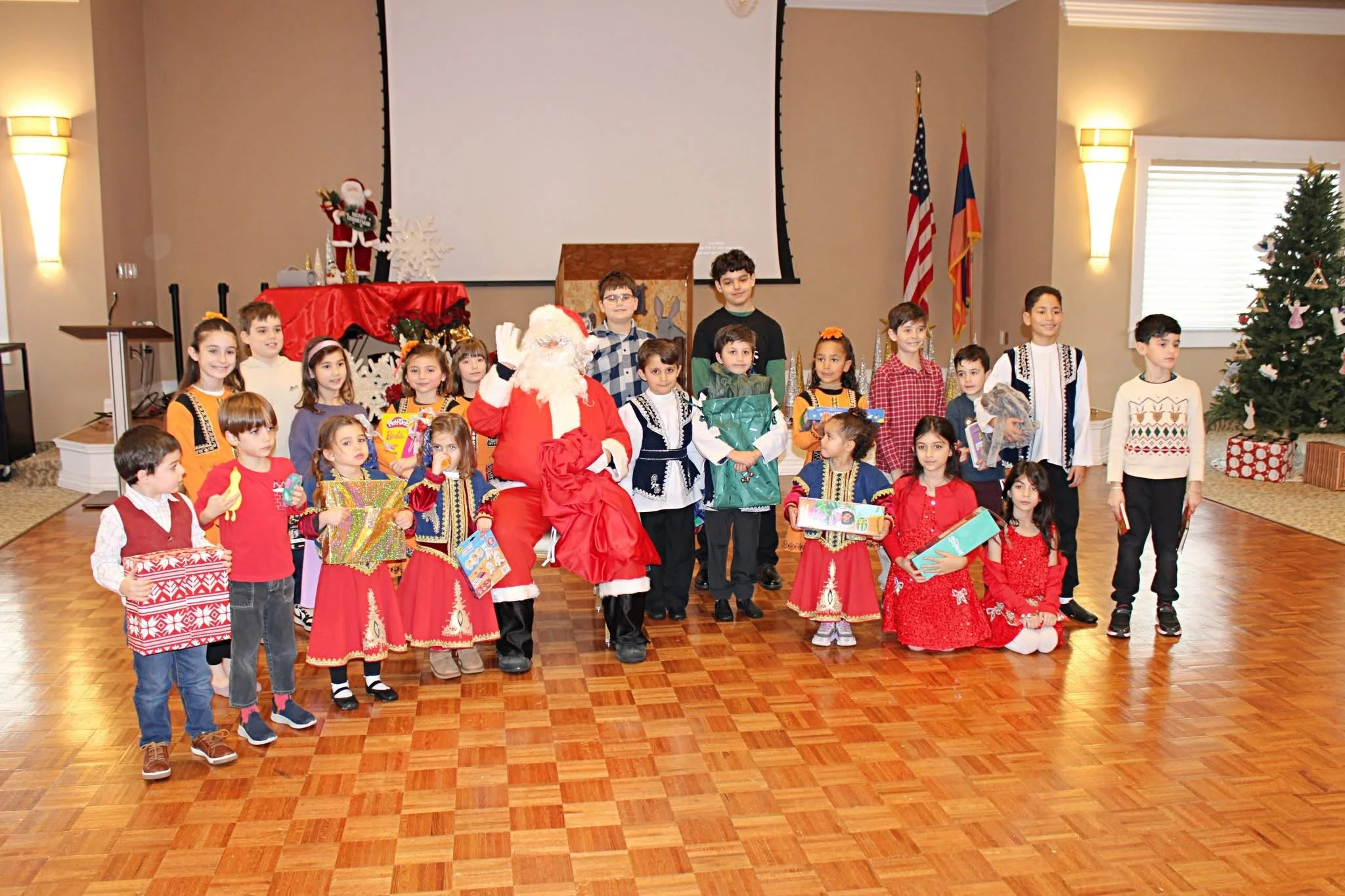
Over the years, the Armenian School has continued to grow and evolve, offering a variety of cultural and educational programs. These include Armenian Cultural Month celebrations in October, Vartanantz Day, Holy Martyrs Day, and the Annual Hantess.
The importance of the Armenian School cannot be overstated. It provides a strong foundation for future generations, helping students preserve their Armenian identity, heritage, and culture while thriving as Armenian Americans.