SCRIPTURE READINGS
~ Book of Acts 21:37-22:29 ~
Just as Paul was about to be brought into the barracks, he said to the tribune, "May I say something to you?" The tribune replied, "Do you know Greek? Then you are not the Egyptian who recently stirred up a revolt and led the four thousand assassins out into the wilderness?" Paul replied, "I am a Jew, from Tarsus in Cilicia, a citizen of an important city; I beg you, let me speak to the people." When he had given him permission, Paul stood on the steps and motioned to the people for silence; and when there was a great hush, he addressed them in the Hebrew language, saying: "Brothers and fathers, listen to the defense that I now make before you." When they heard him addressing them in Hebrew, they became even more quiet. Then he said: "I am a Jew, born in Tarsus in Cilicia, but brought up in this city at the feet of Gamaliel, educated strictly according to our ancestral law, being zealous for God, just as all of you are today. I persecuted this Way up to the point of death by binding both men and women and putting them in prison, as the high priest and the whole council of elders can testify about me. From them I also received letters to the brothers in Damascus, and I went there in order to bind those who were there and to bring them back to Jerusalem for punishment. "While I was on my way and approaching Damascus, about noon a great light from heaven suddenly shone about me. I fell to the ground and heard a voice saying to me, "Saul, Saul, why are you persecuting me?' I answered, "Who are you, Lord?' Then he said to me, "I am Jesus of Nazareth whom you are persecuting.' Now those who were with me saw the light but did not hear the voice of the one who was speaking to me. I asked, "What am I to do, Lord?' The Lord said to me, "Get up and go to Damascus; there you will be told everything that has been assigned to you to do.' Since I could not see because of the brightness of that light, those who were with me took my hand and led me to Damascus. "A certain Ananias, who was a devout man according to the law and well spoken of by all the Jews living there, came to me; and standing beside me, he said, "Brother Saul, regain your sight!' In that very hour I regained my sight and saw him. Then he said, "The God of our ancestors has chosen you to know his will, to see the Righteous One and to hear his own voice; for you will be his witness to all the world of what you have seen and heard. And now why do you delay? Get up, be baptized, and have your sins washed away, calling on his name.' "After I had returned to Jerusalem and while I was praying in the temple, I fell into a trance and saw Jesus saying to me, "Hurry and get out of Jerusalem quickly, because they will not accept your testimony about me.' And I said, "Lord, they themselves know that in every synagogue I imprisoned and beat those who believed in you. And while the blood of your witness Stephen was shed, I myself was standing by, approving and keeping the coats of those who killed him.' Then he said to me, "Go, for I will send you far away to the Gentiles.' " Up to this point they listened to him, but then they shouted, "Away with such a fellow from the earth! For he should not be allowed to live." And while they were shouting, throwing off their cloaks, and tossing dust into the air, the tribune directed that he was to be brought into the barracks, and ordered him to be examined by flogging, to find out the reason for this outcry against him. But when they had tied him up with thongs, Paul said to the centurion who was standing by, "Is it legal for you to flog a Roman citizen who is uncondemned?" When the centurion heard that, he went to the tribune and said to him, "What are you about to do? This man is a Roman citizen." The tribune came and asked Paul, "Tell me, are you a Roman citizen?" And he said, "Yes." The tribune answered, "It cost me a large sum of money to get my citizenship." Paul said, "But I was born a citizen." Immediately those who were about to examine him drew back from him; and the tribune also was afraid, for he realized that Paul was a Roman citizen and that he had bound him.
~ 1 John 4:7-21 ~
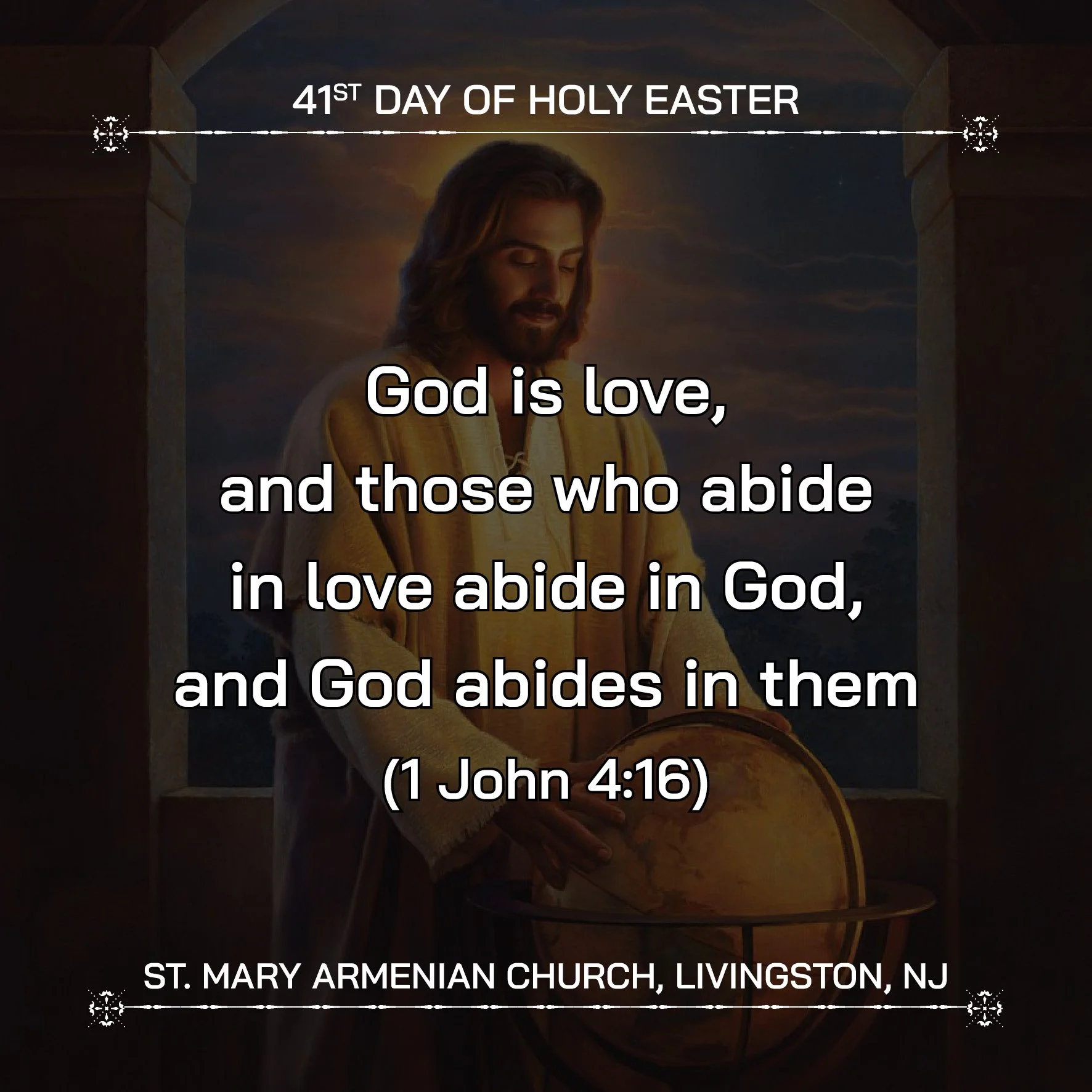
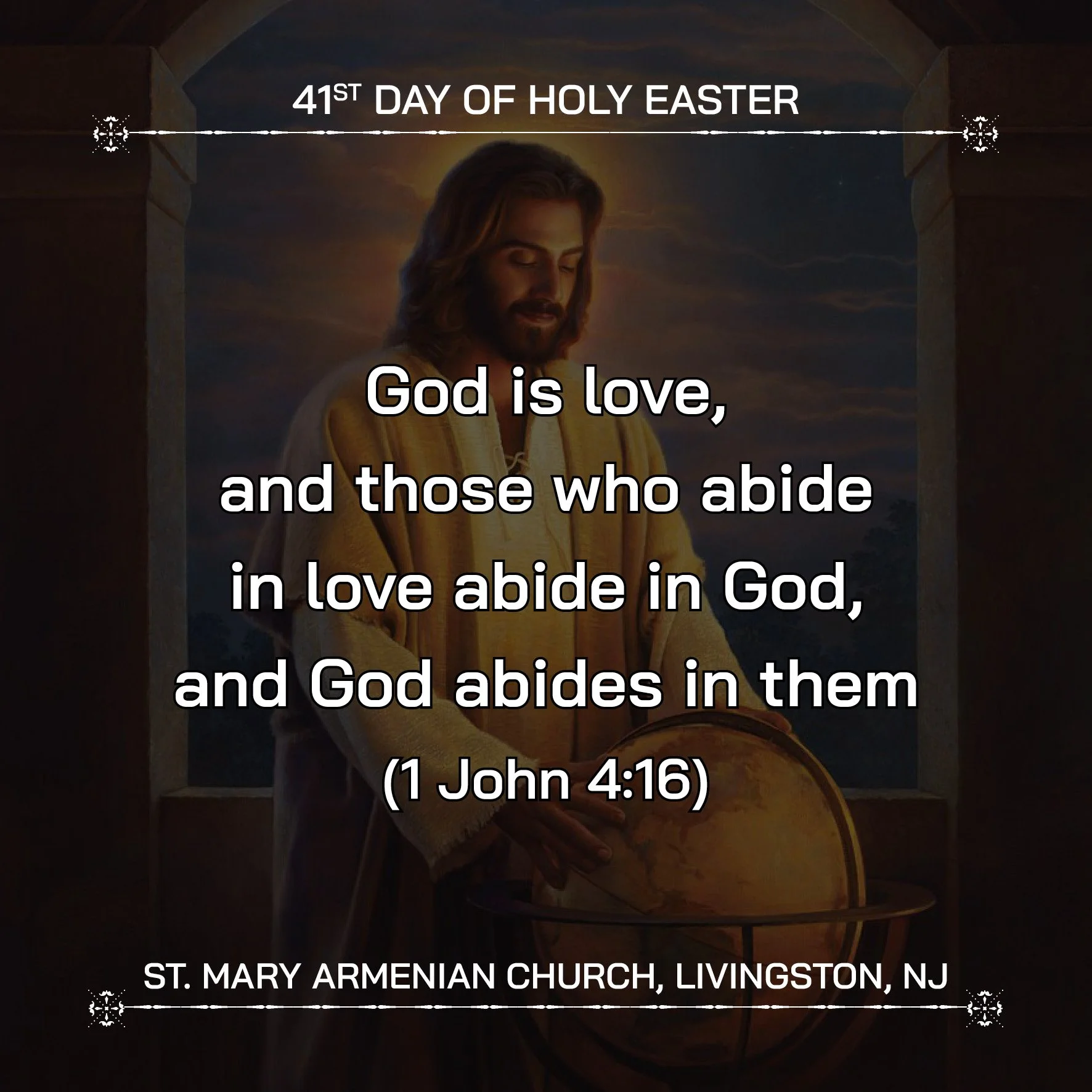
Beloved, let us love one another, because love is from God; everyone who loves is born of God and knows God. Whoever does not love does not know God, for God is love. God's love was revealed among us in this way: God sent his only Son into the world so that we might live through him. In this is love, not that we loved God but that he loved us and sent his Son to be the atoning sacrifice for our sins. Beloved, since God loved us so much, we also ought to love one another. No one has ever seen God; if we love one another, God lives in us, and his love is perfected in us. By this we know that we abide in him and he in us, because he has given us of his Spirit. And we have seen and do testify that the Father has sent his Son as the Savior of the world. God abides in those who confess that Jesus is the Son of God, and they abide in God. So we have known and believe the love that God has for us. God is love, and those who abide in love abide in God, and God abides in them. Love has been perfected among us in this: that we may have boldness on the day of judgment, because as he is, so are we in this world. There is no fear in love, but perfect love casts out fear; for fear has to do with punishment, and whoever fears has not reached perfection in love. We love because he first loved us. Those who say, "I love God," and hate their brothers or sisters, are liars; for those who do not love a brother or sister whom they have seen, cannot love God whom they have not seen. The commandment we have from him is this: those who love God must love their brothers and sisters also.
~ Holy Gospel of St. John 11:47-54 ~
So the chief priests and the Pharisees called a meeting of the council, and said, "What are we to do? This man is performing many signs. If we let him go on like this, everyone will believe in him, and the Romans will come and destroy both our holy place and our nation." But one of them, Caiaphas, who was high priest that year, said to them, "You know nothing at all! You do not understand that it is better for you to have one man die for the people than to have the whole nation destroyed." He did not say this on his own, but being high priest that year he prophesied that Jesus was about to die for the nation, and not for the nation only, but to gather into one the dispersed children of God. So from that day on they planned to put him to death. Jesus therefore no longer walked about openly among the Jews, but went from there to a town called Ephraim in the region near the wilderness; and he remained there with the disciples.